
PRESS RELEASE
RSG Launches Second Benin Bronze-Making Fellowship

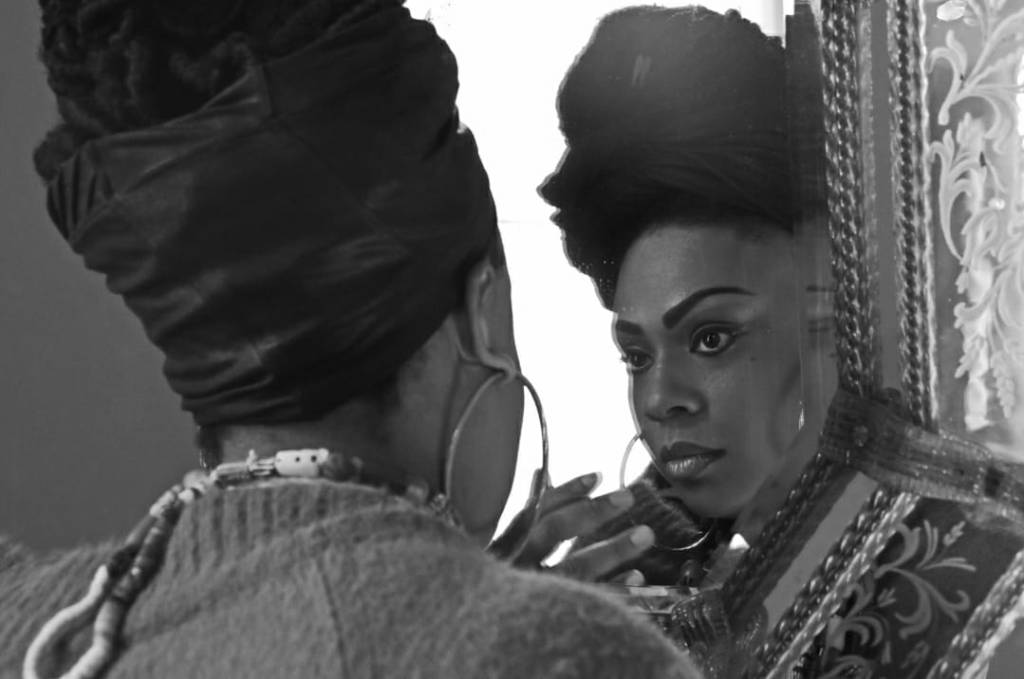
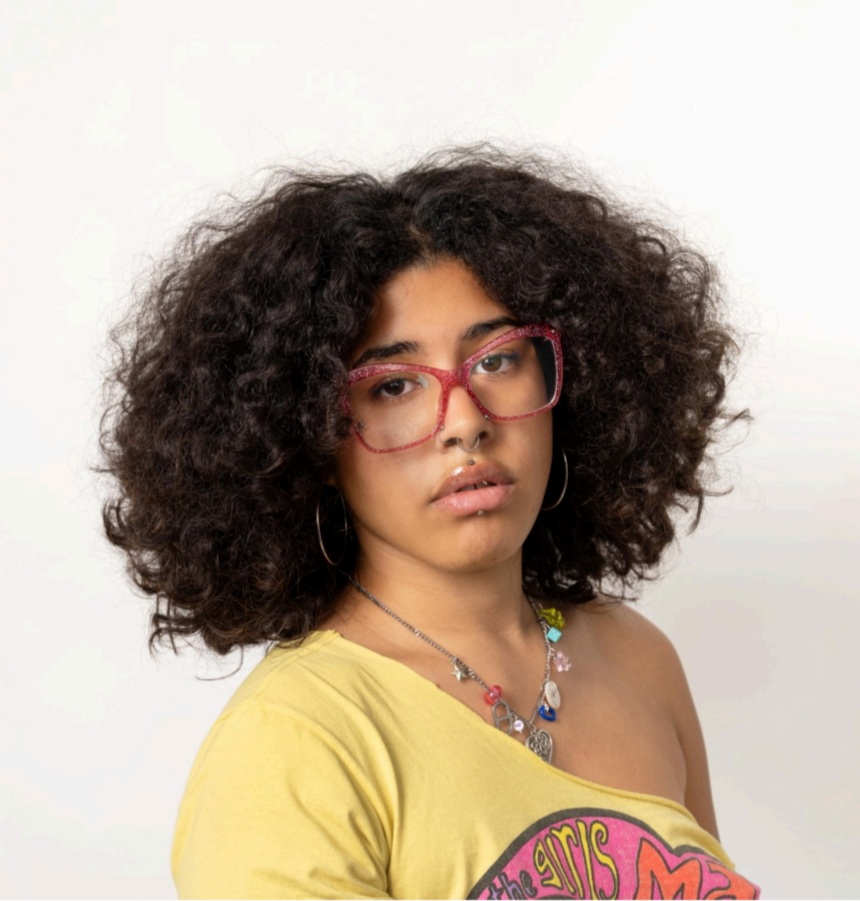
January 12, 2026 | New York, NY — The Restitution Study Group (RSG) and Afrodescendant Trust Fund announce the launch of the Second Cohort of their Benin Bronze-Making Fellowship, an artist-training program cultivating a new generation of cultural artists producing Benin bronze replicas and original works for the forthcoming Benin Kingdom Museum in Harlem, New York. Classes will take place in New York City over MLK Weekend 2026.
The Fellowship is grounded in the historical truth that the original Benin bronzes were forged with metal sourced from manilla currency exchanged for African captives sold into transatlantic enslavement. In an effort to democratize access to these cultural relics, Fellows are trained to recreate and reimagine the works while advancing a vision of joint stewardship of the original bronzes, which descendants understand as objects embedded with the presence and memory of their ancestors.
The Fellowship Orientation took place on Saturday, January 10, moderated by Restitution Study Group Founder Deadria Farmer-Paellmann, who expressed her honor at the attendance of His Excellency Prince Nosuyi Ovonramwen of the Benin Kingdom and Queen Mother Dr. Delois Blakely of the Royal Court of Harlem.
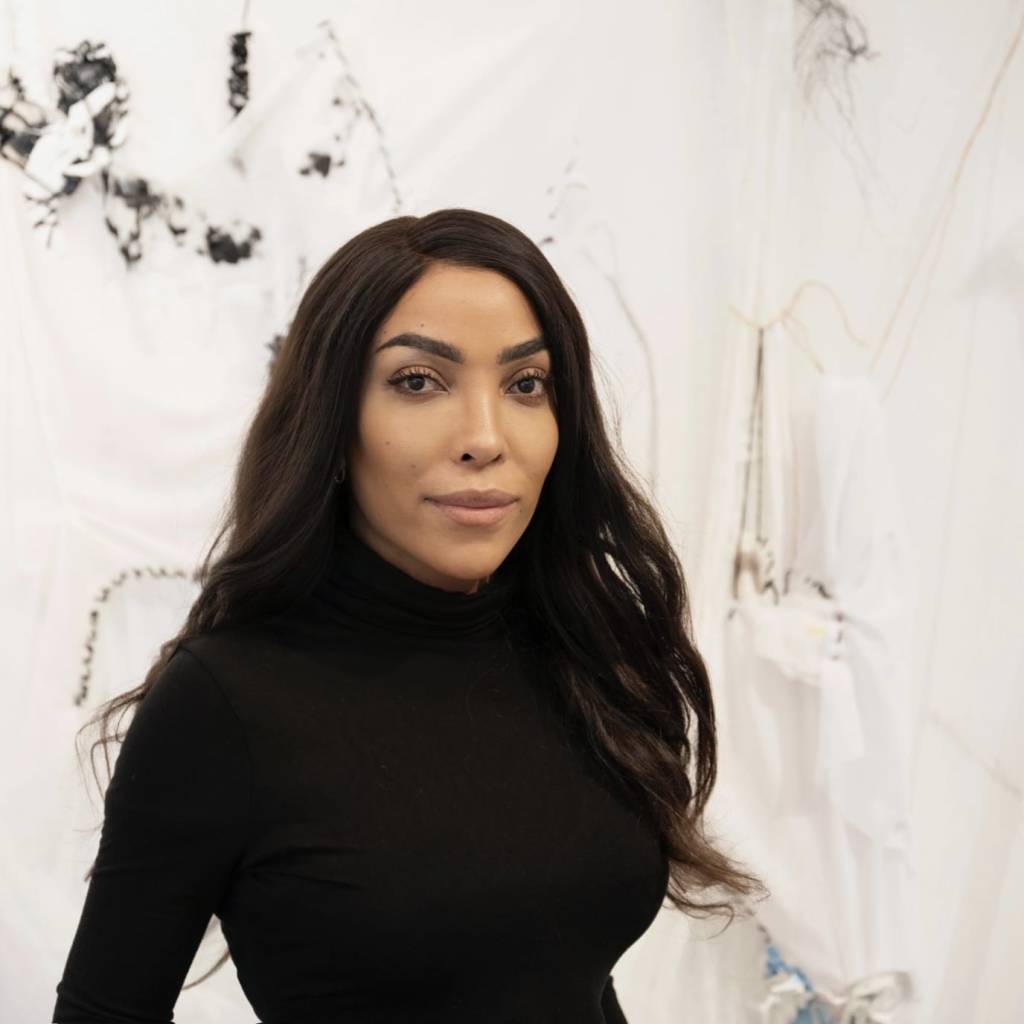
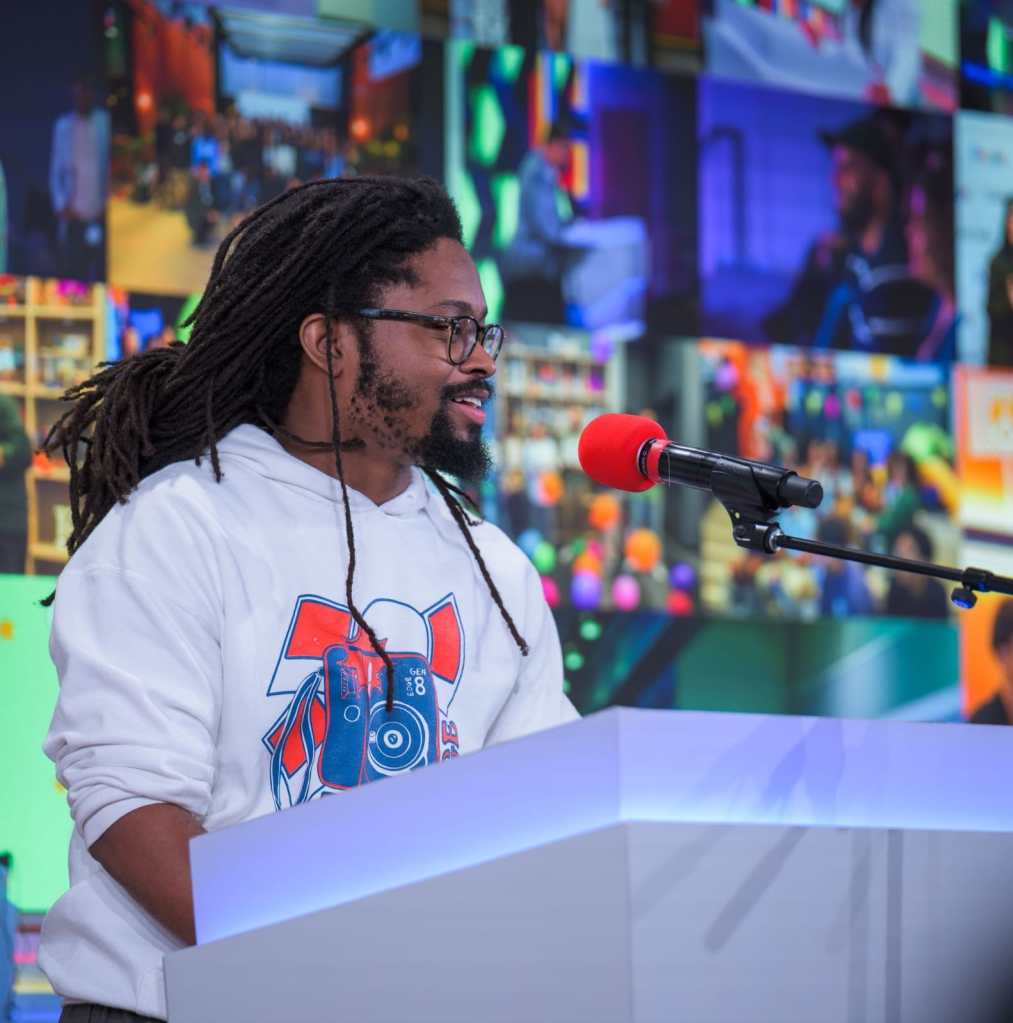
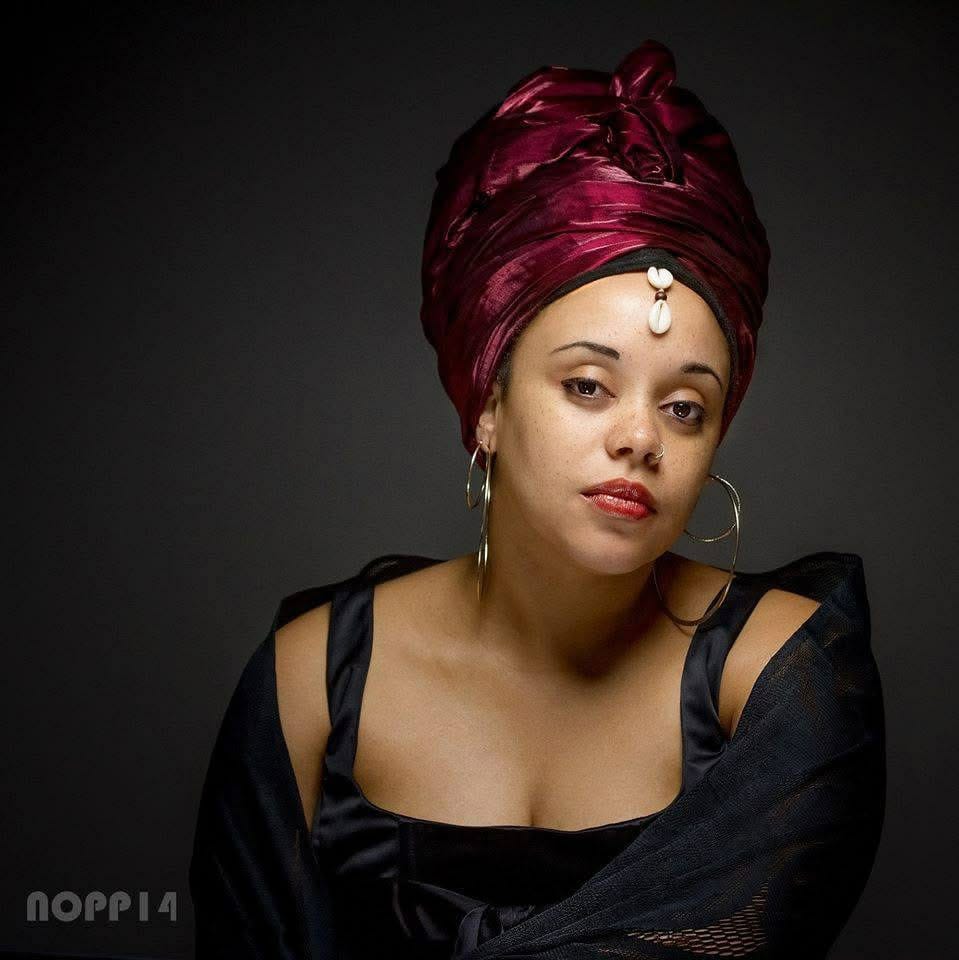
The 2026 Fellows are (in alphabetical order):
- Zainab Aliyu (Nigerian-American, Yoruba/Edo) – Artist, designer and cultural worker
- Dana-Marie Bullock (Jamaican) – Pratt Institute alumna, interdisciplinary artist, painting, sculpture, and performance
- Julian Frost (African American/Jamaican) – Creative technologist, tinkerer, and learner
- Kalindah Laveaux (African American, Louisiana) – Voodoo Queen/Priestess, multidisciplinary performing artist, historian
- Kim Poole (African American, Maryland) – Multidisciplinary performing/teaching artist, storyteller, UN Advocate
- RyLee “Ry” Erin Watkins (African American, Tennessee) – Pratt Institute student, multi-disciplinary artist, sculptor
Bronze foundry instruction will be led by Blake Hiltunen, Foundry Instructor and Associate Professor of Foundry at Pratt Institute and the Rhode Island School of Design. In addition to serving as a Fellow, Julian Frost will teach 3D printing and manufacturing.
The Benin Bronze-Making Fellowship trains artists in traditional and contemporary methods while grounding production in historical truth, cultural repair, and ethical stewardship. Originally seeded by funding from a slave-trade heir, the Fellowship is now sustained through community donations, along with proceeds from AfroKrypto merchandise sales and secondary NFT market activity, reflecting a collective, community-supported model of reparatory cultural investment.
To support the Fellowship and the Benin Kingdom Museum, the public is invited to visit AfroKrypto.com, where the purchase of select cultural merchandise—including T-shirts and lapel pins—helps fund this work and includes a complimentary NFT.
Learn more about the Fellows at: www.theBKM.org
###
ANNOUNCEMENT
AfroKrypto NFT Launched by Restitution Groups: A Creative Digital Bridge Between Art, Identity, and Justice
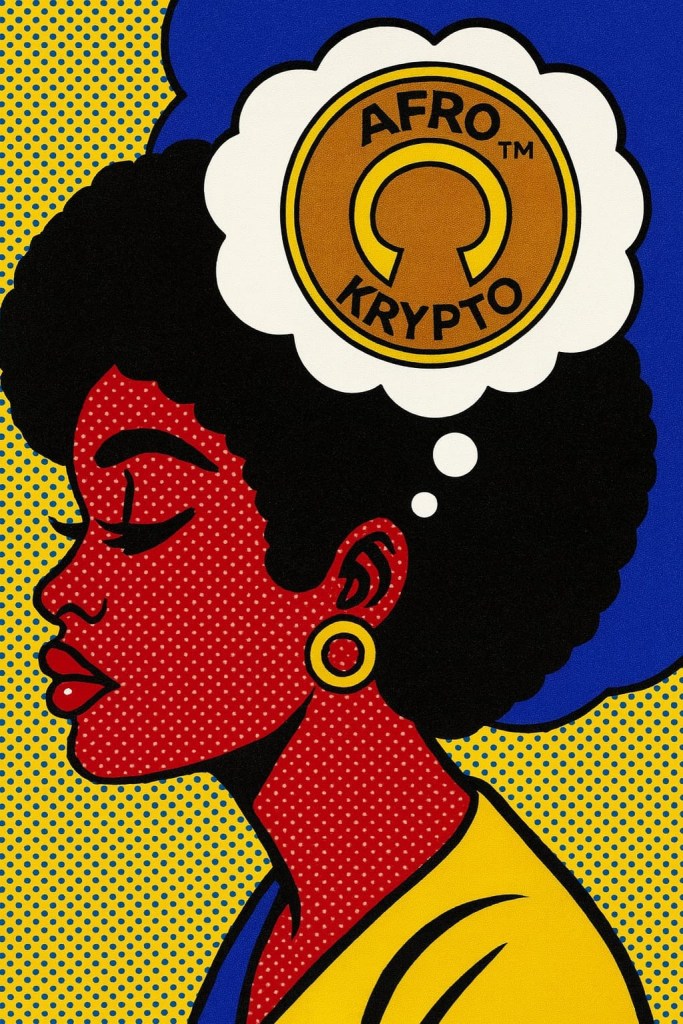
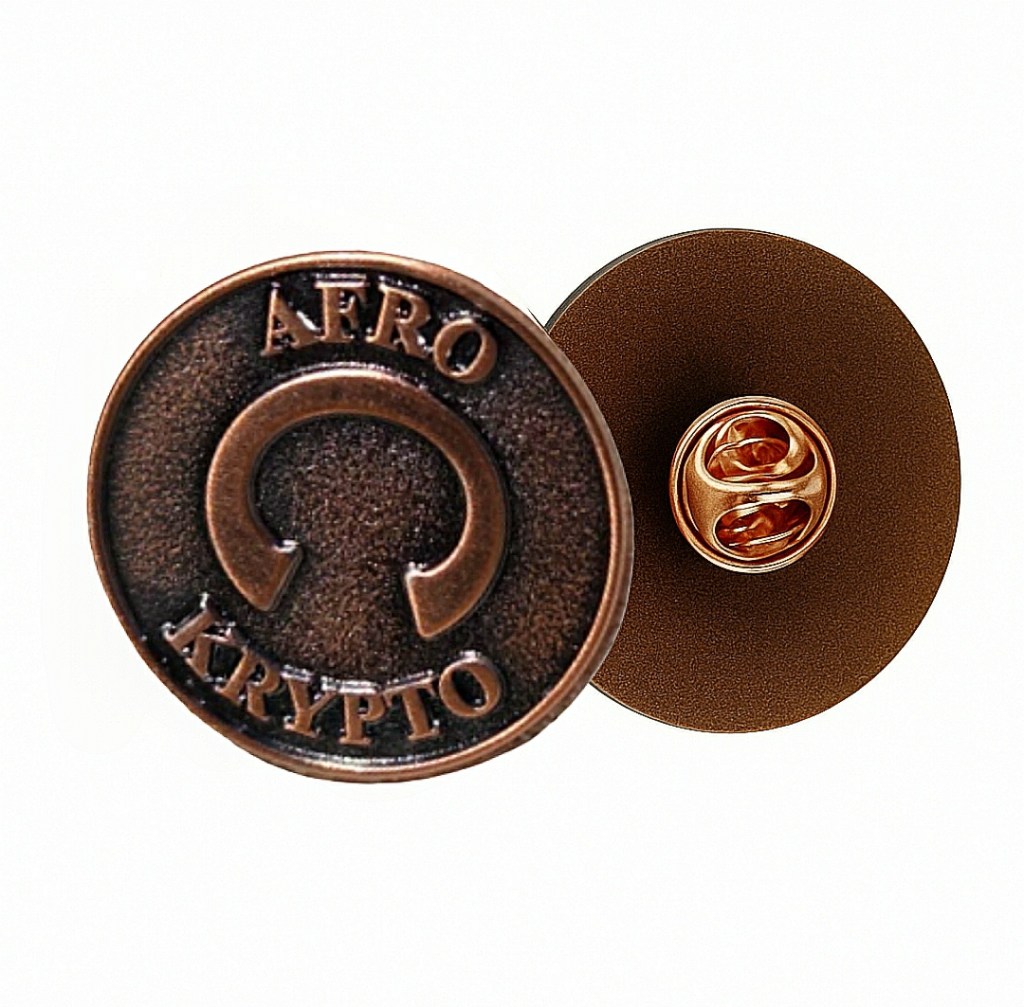
New York — December 27, 2025 — The first day of Kwanzaa 2025, the Restitution Study Group and the Afrodescendant Fund unveil AfroKrypto, a vibrant limited-edition NFT and merch project where Black Power meets Pop Art.
Rooted in the history of the Maangamizi manilla (slave-trade currency/ethnocide currency), AfroKrypto transforms a painful legacy into bold, creative collectibles that support the developing Afrodescendant Fund — founded to manage slavery-restitution assets specifically for projects involving the Restitution Study Group and their partners. It’s a fun, meaningful, and culturally resonant way for the world to participate in justice. Learn more at: www.AfroKrypto.com!
Track AfroKrypto on its official mint page or on the marketplace.
GIVING TUESDAY
RSG Acquires Rare 17th-Century Benin Bronze Cockerel: Seeks Support for Comprehensive Provenance Study and More
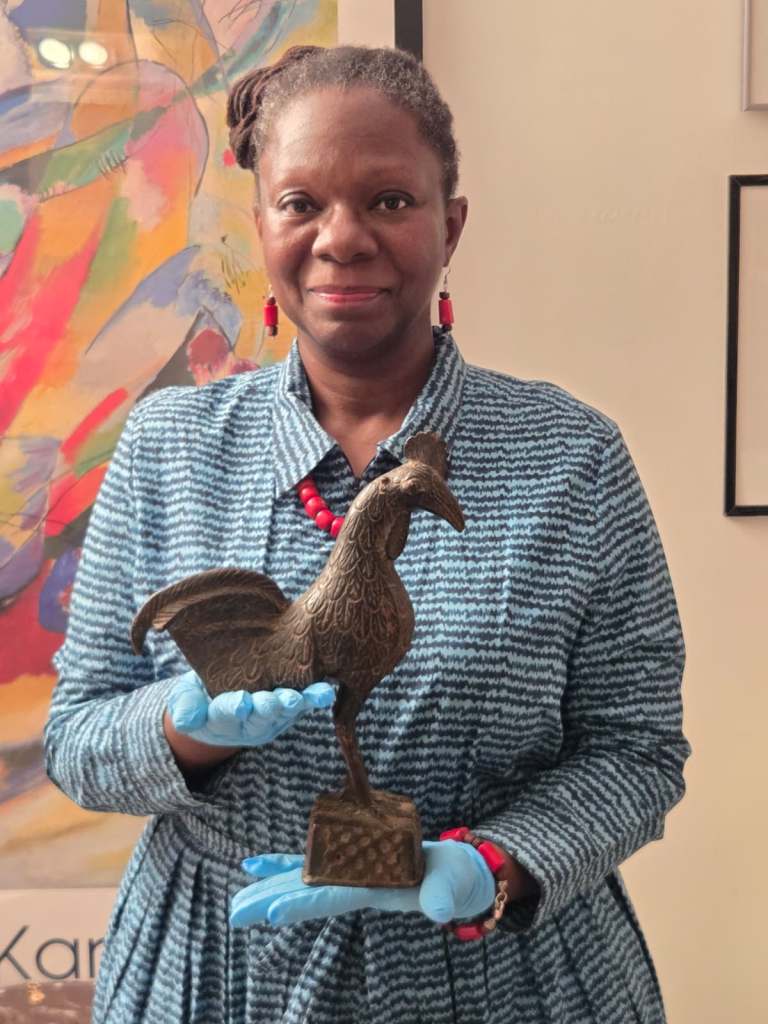
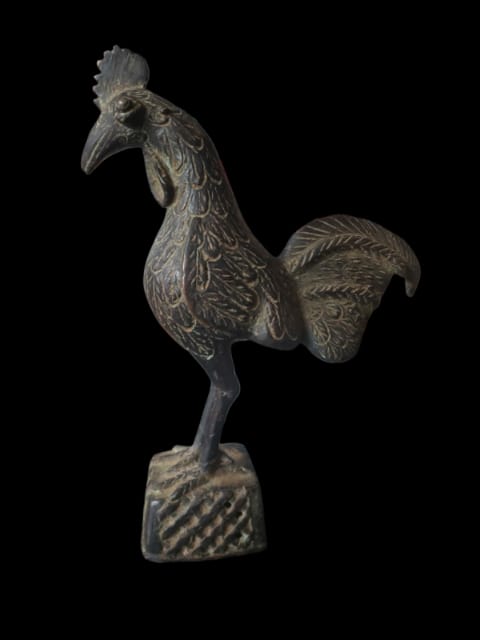
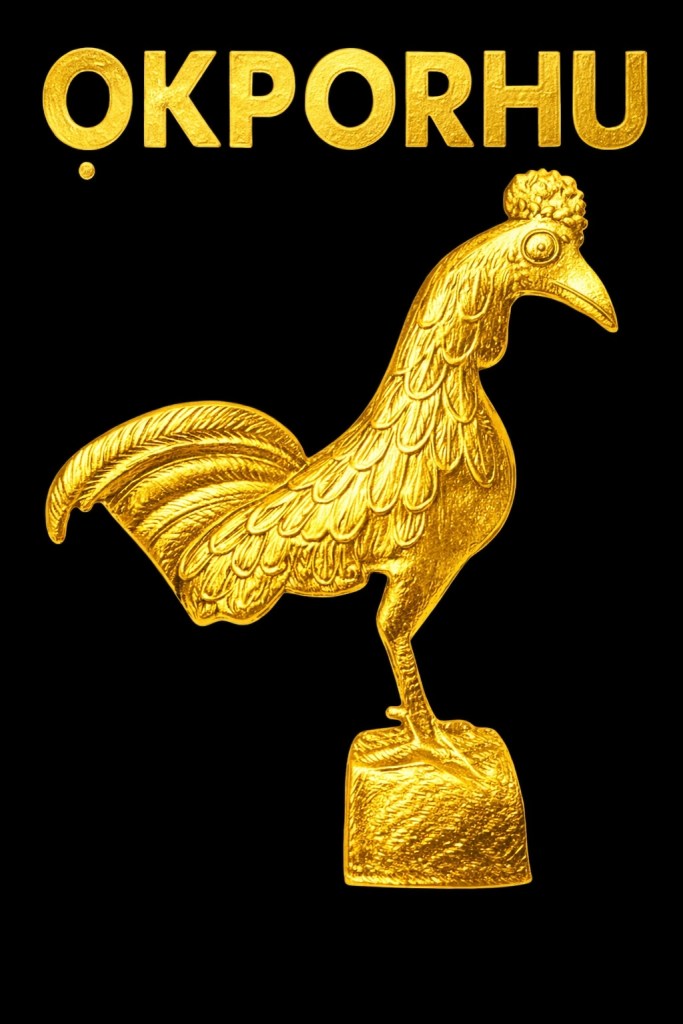
New York, NY — December 2, 2025 — The Restitution Study Group (RSG) announces the acquisition of an authentic early 17th-century Benin Bronze cockerel and the launch of a comprehensive scientific investigation into its origins and historical significance.
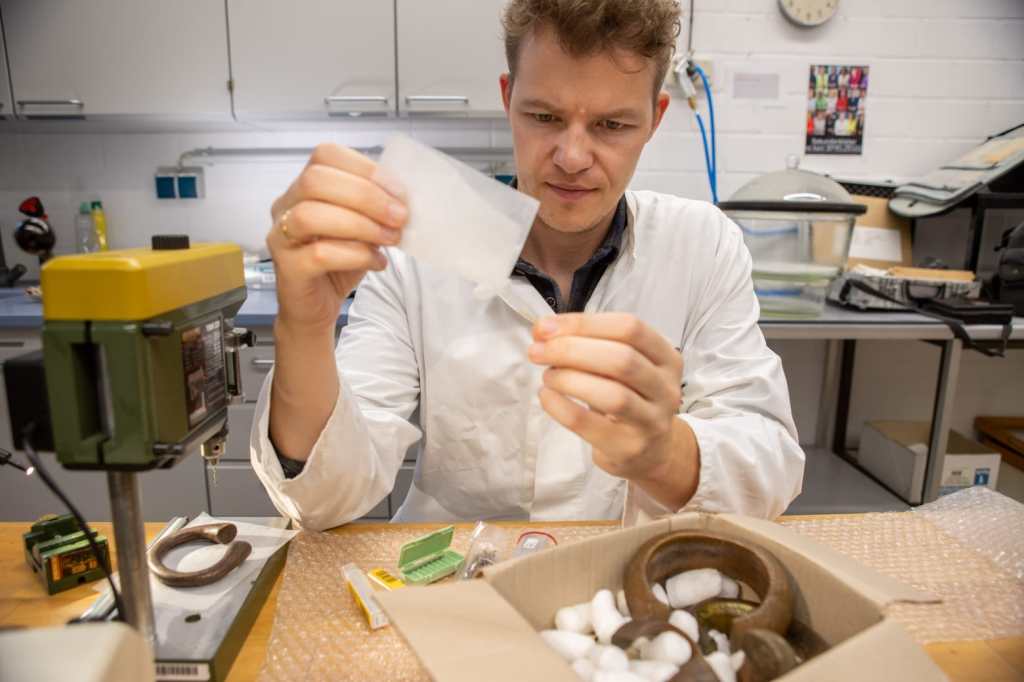
The bronze was purchased from a Manhattan antique shop and gifted to RSG Executive Director Deadria Farmer-Paellmann. Preliminary analysis by Dr. Tobias Skowronek, a leading authority on Benin metalwork, confirms the piece as genuine, with alloy composition and casting techniques consistent with early 1600s Benin court traditions.
Understanding the Historical Context
The Benin Bronzes were created during a period when the Benin Kingdom (Nigeria) participated in transatlantic trade networks. European merchants supplied bronze manillas—a form of currency—in exchange for human captives and goods. Historical records indicate exchange rates of approximately 50 manillas for a woman and 57 for a man.
Royal guild artists melted these manillas and recast them into the ceremonial artworks now known as Benin Bronzes, many of which currently reside in museums worldwide.
“The history embedded in this bronze demands honest examination,” said Farmer-Paellmann. “Understanding how these masterpieces were financed is essential to understanding their full significance.”
Cultural Significance of the Cockerel
In Benin tradition, the bronze cockerel symbolizes vigilance, leadership, and warning. Associated with the Iyoba (Queen Mother), these pieces were placed near royal altars to represent protection and heightened awareness.
Comprehensive Scientific Investigation Needed
RSG aims to consult with Dr. Tobias Skowronek for a multi-phase scientific study that will include:
- Surface coating and potential DNA analysis
- Wax and soil residue identification
- Alloy source mapping
- Comparative analysis with bronzes from the 1897 British Punitive Expedition
“The elemental composition and trace-element profile align closely with authentic Benin Bronzes,” said Dr. Tobias Skowronek, who conducted the initial pXRF analysis. “The zinc content is consistent with early Benin casting practices and shows no indication of later recycling, strongly supporting the object’s historic origin.”
RSG has notified the Nigerian National Commission for Museums and Monuments (NCMM) and is exploring frameworks for collaborative stewardship.
Future Exhibition and Stewardship
The cockerel will be featured in the Benin Kingdom Museum, opening late 2026 in Harlem, New York. The museum will present:
- Transparent historical narratives about the bronzes’ origins
- Works by RSG’s Bronze-Making Fellows
- Educational programming on African cultural heritage
- Collaborative stewardship models
- DNA Testing for Afrodescendants
“This bronze belongs within the cultural narrative of Afrodescendants whose African identities were destroyed by the trade that created it,” said Farmer-Paellmann. “We’re committed to stewarding its history with integrity.”
Supporting the Research
As a grassroots organization without institutional funding, RSG welcomes community support for this comprehensive scientific analysis. Those interested in supporting the provenance research and more can join their funding circle by contributing here.
About the Restitution Study Group
Founded 25 years ago, RSG advances reparatory justice, cultural heritage preservation, and advocacy for Afrodescendant communities with historical connections to the Benin Kingdom’s trade networks.
Contact:
Deadria Farmer-Paellmann, J.D., M.A.
Executive Director
Restitution Study Group
email: deadriafp@gmail.com
www.rsgincorp.org
###
BBC World News Interviews
RSG Responds to Chaos at Benin City Museum Opening
Benin City is in turmoil following the disrupted opening of the new Museum of West African Art (MOWAA). Amid this intensifying debate, BBC Newsday and BBC World News: Focus on Africa asked the Restitution Study Group (RSG) to share our perspective on the Benin Bronzes, their origins, and their future.
BBC WORLD NEWS INTERVIEWS
1. BBC World News: Focus on Africa — Television Feature
2. BBC Newsday — Radio Segment

Q&A Provided for BBC Interviews
The following responses reflect the complete statements we prepared for BBC Newsday and BBC Focus on Africa. Due to time constraints and editorial editing, only portions of these answers appeared in the final broadcasts. We are sharing them here to provide full context and to ensure the Afro-descendant perspective is fully represented.
Q1. Why do we lay claim to the Benin Bronzes?
The Restitution Study Group represents descendants of Africans globally who were sold by the Benin Kingdom for over 3 centuries for manillas — the brass currency that was melted and molded into the metal Benin bronzes. Those bronzes are laundered slave trade profits. They were literally born out of the Maangamizi — the transatlantic slave-trade and ethnocide. So this isn’t just about Nigeria’s royal heritage — it’s about our heritage too. The bronzes carry the stories of both sides of that history — the beauty of Benin craftsmanship, the stories of our past, and the suffering of those whose lives were exchanged for the metal. We lay claim because we are still here, still connected, and still paying the price for what happened.
Q2. Are we holding the Benin Kingdom to the same moral standard as Europeans?
Absolutely. But this isn’t about comparing guilt — it’s about facing the truth. Europe must answer for colonizing Africa and its role in transatlantic enslavement and ethnocide of my people. But the Benin Kingdom must also face the reality that those bronzes were made possible through their sale of our ancestors.It’s not finger-pointing. It’s honesty. We can’t heal from what we hide. The whole story must be told — the art, the genius, and the human cost. Only then can we move toward reconciliation, respect and repair.
Q3. Should the bronzes be housed in Nigeria?
Not just in Nigeria. Let’s be real: Afrodescendants are still paying for those bronzes through poverty, racism, and loss of our Edo and other regional ethnic identities and homelands. We can’t afford to fly halfway across the world to see the bronzes. Some of our people in Mississippi or the Favelas of Brazil don’t even have plumbing in their homes, and yet we’re told to travel like tourists to look at our own history. And Nigeria has erased the slave trade side of this story. So has every museum in the United Kingdom and most other Western museums. The Oba, Nigeria, and Western museums are all trustees holding the bronzes for All of Us. That means some should stay where they are because we are in Western countries due to slavery. Some should travel — to Benin City — but also to Harlem, New York, Jamaica, Brazil — places where Afrodescendants live and are still fighting the vestiges of slavery and ethnocide. That’s how you honor everyone in this story and repair our lost cultural identities.
Q4. What is the Restitution Study Group’s view on the dispute between the Oba of Benin and the new Museum of West African Art (MOWAA)?
We are not taking a position on internal political disputes in Benin City. That is for the Oba, Nigeria, and their institutions to resolve. But what we can say — from the perspective of Afrodescendants whose ancestors were sold for the manillas that became the Benin Bronzes — is that these relics must remain accessible to the public, wherever they are housed. At the root of the current disagreement is the future of the Benin Bronzes and the question of where they should be presented. The museum was originally proposed as the Benin Royal Museum, and later renamed the Museum of West African Art (MOWAA), with global partners supporting its development. Today, the Oba and his supporters wish for the institution to be renamed and for the bronzes to be under exclusive royal custodianship. This has led to permits being rescinded and tensions rising.From our perspective, the simplest truth is this:
the Oba needs a museum for the bronzes he holds, and the Museum of West African Art needs bronzes to fulfill its educational mission. Bronzes have been repatriated so these artworks can be studied, viewed, and appreciated. That purpose is defeated if they remain locked away or if political disputes prevent their display. We are hopeful that a resolution can be reached that allows for: Public access to the bronzes in Nigeria, Educational programming and scholarship, Transparency about their slave-trade origins, Collaboration rather than conflict, Replicas or digital models where needed to expand global access — this includes to our Benin Kingdom Museum under development in Harlem New York. Whether it is one museum or two, or collaborative stewardship between them, the priority must be: making these relics available to the world — including Afrodescendants whose ancestors paid the ultimate price.
Q5. Should the descendants of the Oba express regret for their role in the slave trade?
What matters most is acknowledging the slave-trade origin of the bronzes — the Afrodescendant contribution is that our ancestors paid with their lives and we still do today. Everyone touched by the slave trade — European or African — should have the courage to face this truth. Apologies are not enough; truth, ownership rights, and a seat at the joint stewardship table is what we want. This is a matter of self-determination. No way should the heirs of royal African slave traders be given exclusive control over their ancestors’ slave-trade profits. When truth is spoken, healing can start. The bronzes can become a bridge — connecting descendants of the enslaved and the descendants of those who ruled and enslaved us — European and African. That’s how we repair the human story behind the art.
Closing
The Restitution Study Group remains committed to ensuring that Afrodescendants — whose ancestors’ lives were exchanged for the very metal that forms the Benin Bronzes — have a rightful voice in the conversation about their stewardship, narrative, and global future.
We welcome feedback, collaboration, and continued dialogue as we work toward a truthful and comprehensive reckoning with this history.
Video Release
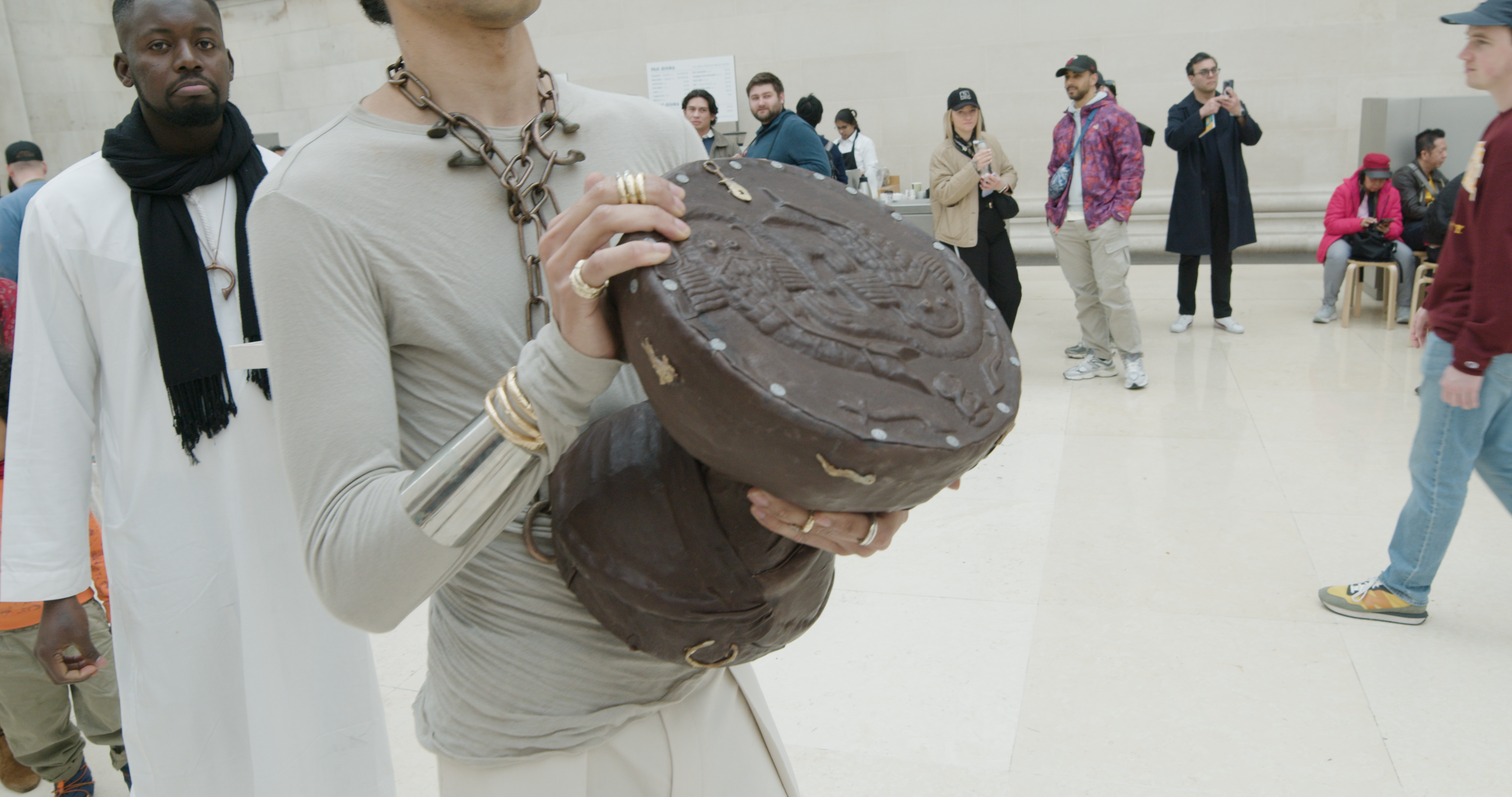
Ancestral Dedication at British Museum
On sacred ground and in sacred company, we gathered at the British Museum to honor our ancestors and their surviving offspring — those whose lives were traded for the metal manilla currency that became the Benin Bronzes. Witness Benin Kingdom Museum Fellow Jirah Joshua’s powerful artistic tribute from London. This is the beginning of a global reckoning. Video by Krash Williams, Executive Produced by Deadria Farmer-Paellmann
News
The Met Rewrites History, Restitution Study Group Writes the Future
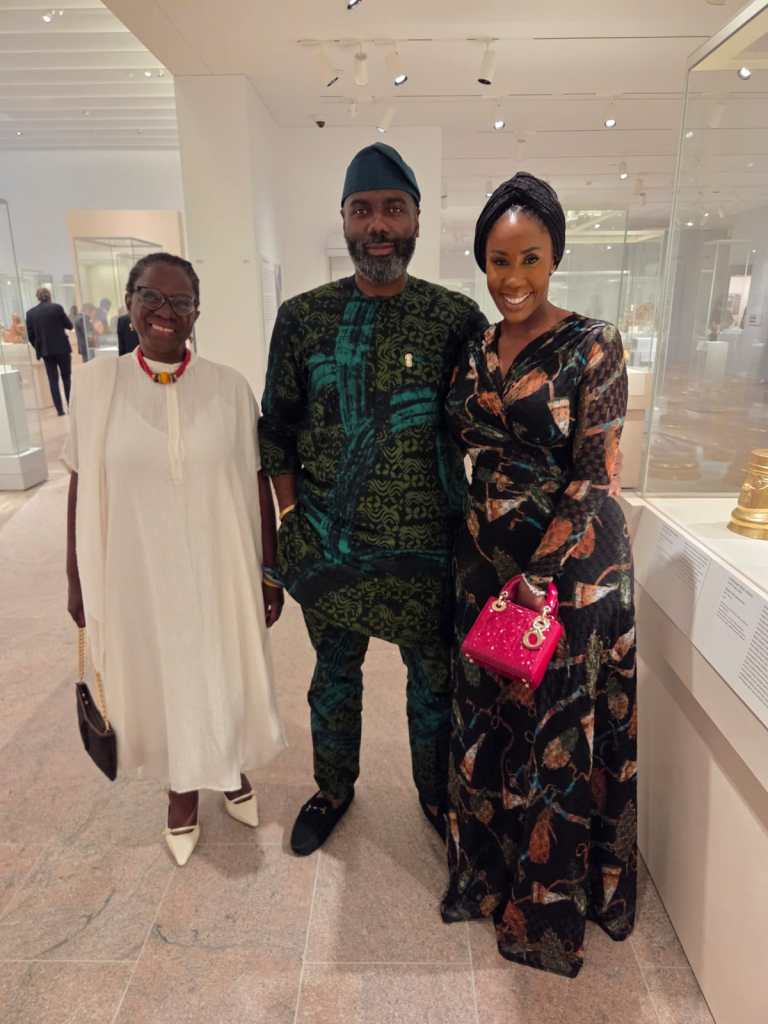
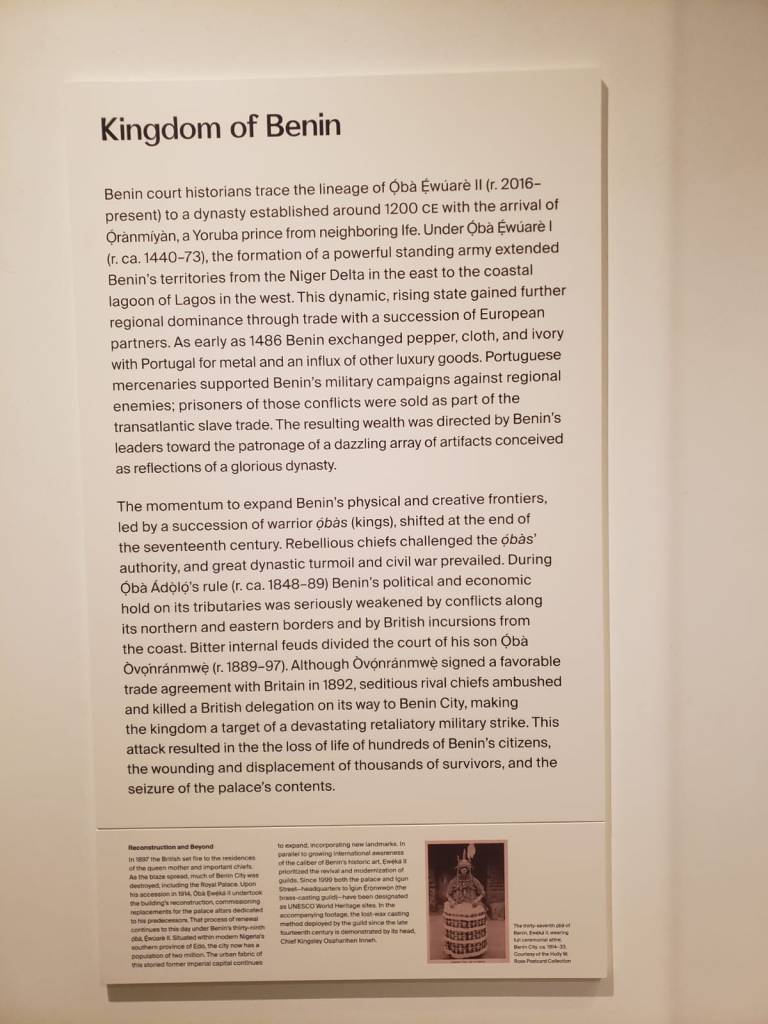
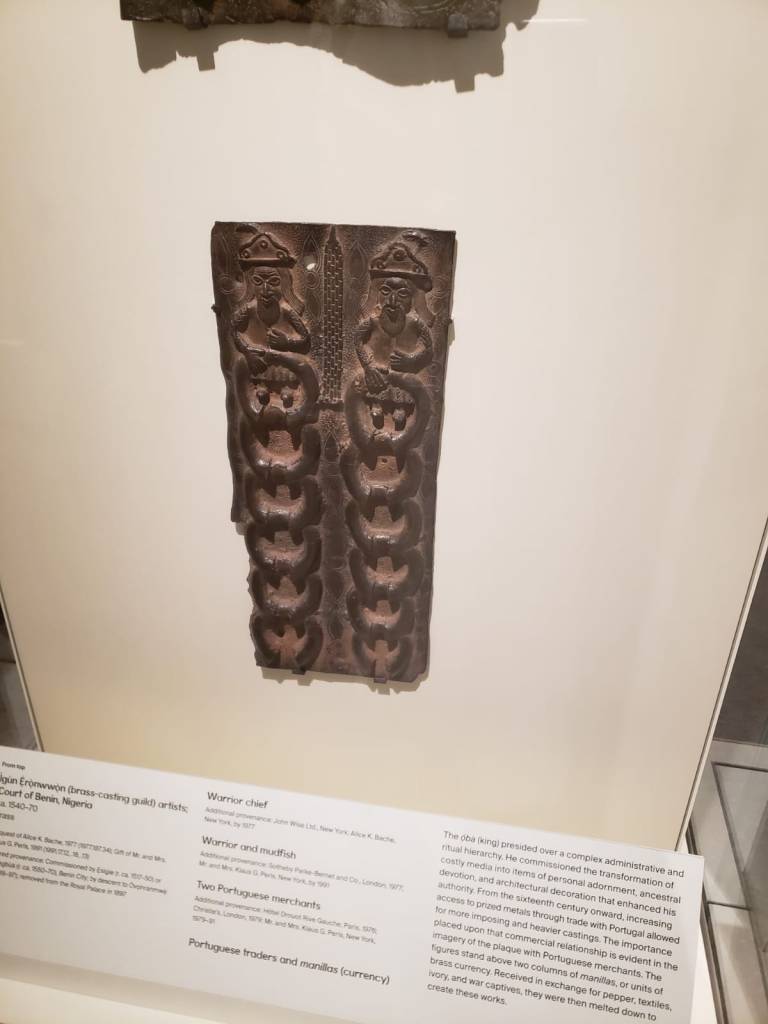
Restitution Study Group and The Met Celebrate Historical Strides
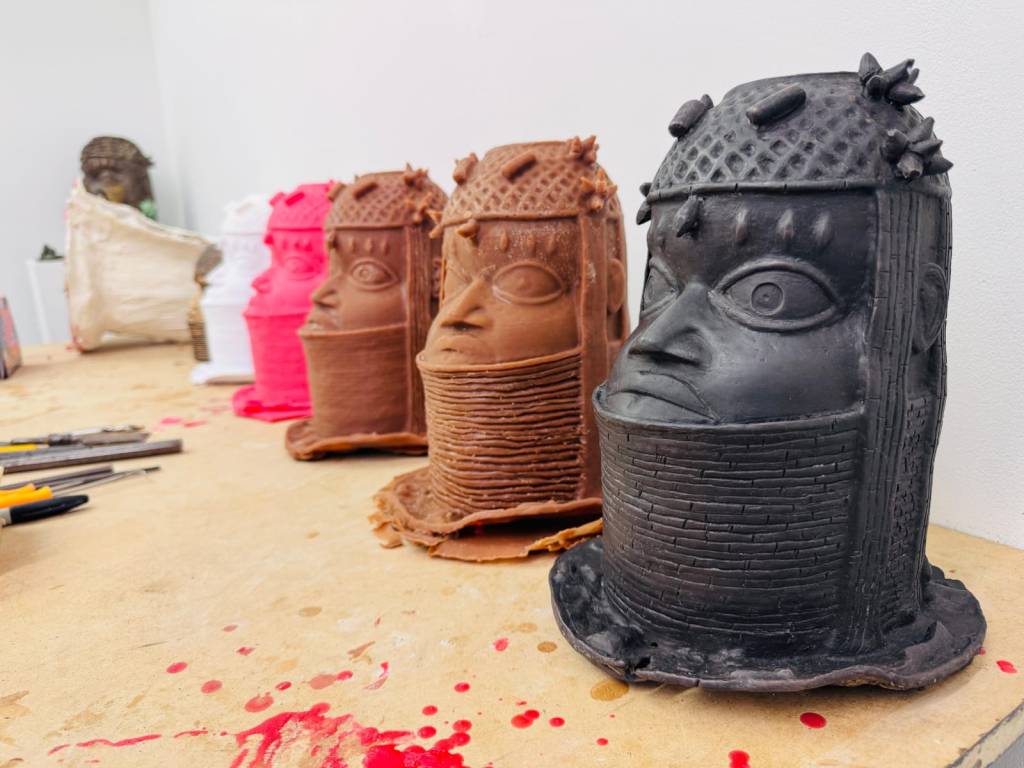
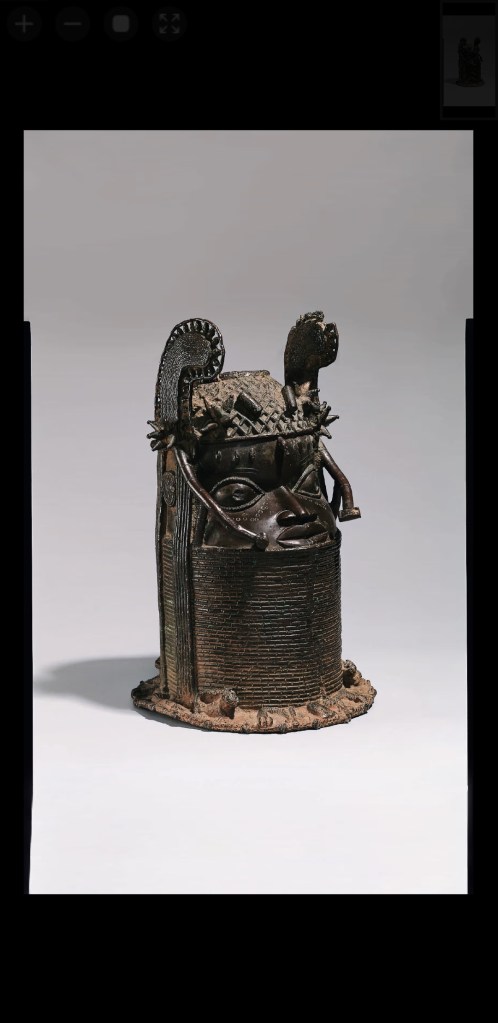
The Restitution Study Group celebrates two historic breakthroughs in our global reparatory justice campaign. On May 31st, the Benin Kingdom Museum Bronze-Making Fellows completed the first-ever Oba Head born out of unity—a powerful act of ancestral remembrance, cultural skill, and community collaboration. The Fellowship was made possible through a reparative contribution from the heir of a slave-trade fortune, and it was blessed by a Benin Kingdom royal, who extended spiritual prayers to the Fellows in support of their journey. This moment embodied the kind of global unity, healing, and truth-telling that reparatory justice calls for.
That same day marked the official reopening of the Michael C. Rockefeller Wing at the Metropolitan Museum of Art, where revised wall text now reflects a more truthful account of the origins of the Benin bronzes. We previewed the exhibit during a special reception on May 28th, and the updated narrative represents a long-overdue milestone in public history.
The Met now acknowledges that the bronzes were made from “manillas, or units of brass currency… received in exchange for pepper, textiles, ivory, and war captives,” which were “then melted down to create these works.” It further states that “Portuguese mercenaries supported Benin’s military campaigns” and that captives were sold “as part of the transatlantic slave trade.” The museum also includes, for the first time, the ambush of a British delegation in 1897, which resulted in the retaliatory military strike that led to the looting of the Benin bronzes. While this is a crucial step forward, the Met still omits that the British delegation was unarmed, composed of approximately 250 African porters and 12 British naval officers, and that only 3 survived the massacre. This order of events—long excluded from museum narratives—is essential to understanding the violent origins of the bronzes’ removal.
These revisions result from direct consultations with the Restitution Study Group, whose work has helped institutions like the Humboldt Forum in Berlin, Museum Rietberg in Zurich, and Weltkulturen Museum in Frankfurt begin correcting the historical record. We now urge all museums still lagging to upgrade their language and embrace full transparency.
Reparations are not just about financial restitution—they are about the healing that comes from truth-telling and self-determination. Now, for the first time in more than a century, Afrodescendant children can walk into The Met and see our direct connection to the relics on display. That connection, never before told, is being presented thanks to the unwavering efforts of the Restitution Study Group.
“The slave trade origin of the Benin bronzes is central to our advocacy for joint stewardship and rightful representation. These artifacts are essentially laundered slave trade profits. Afrodescendants should have been paid—not trafficked into 300 years of brutal chattel slavery in the Americas. That truth demands recognition, redress, and shared authority over these cultural treasures.”
— Deadria Farmer-Paellmann, Executive Director, Restitution Study Group
To deepen this work, we are calling on stakeholder museums to allow our Fellows to do 3D scans of their Benin bronzes so the Benin Kingdom Museum, opening soon in Harlem, can create educational replicas. This museum is the first of a global franchise—bringing cultural education, healing, and historical clarity to Afrodescendant communities throughout the Americas and the world.
Photos left to right: Deadria Farmer-Paellmann, Executive Dir. Restitution Study Group; Olugbile Holloway, Director-General, National Commission for Museums and Monuments, Nigeria and his wife Temi Holloway, Entrepreneur/The Met Benin Kingdom Punitive Expedition narrative/The Met slave trade manillas narrative. Photos by Nils Paellmann
Bottom photo: Benin Kingdom Museum bronze oba head replica and wax studies Photo by Antonio Isuperio Pereira, Jr.
Media Advisory
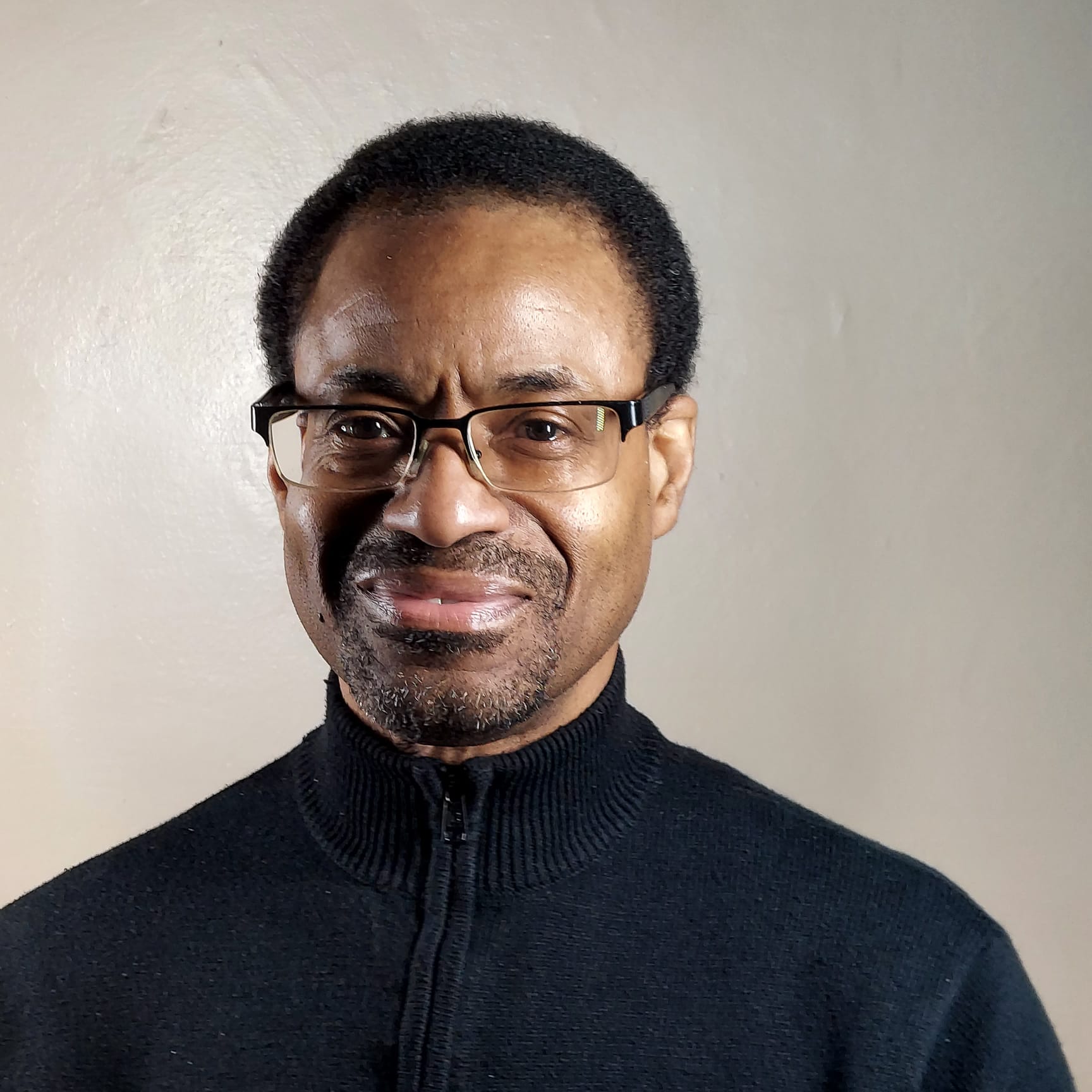
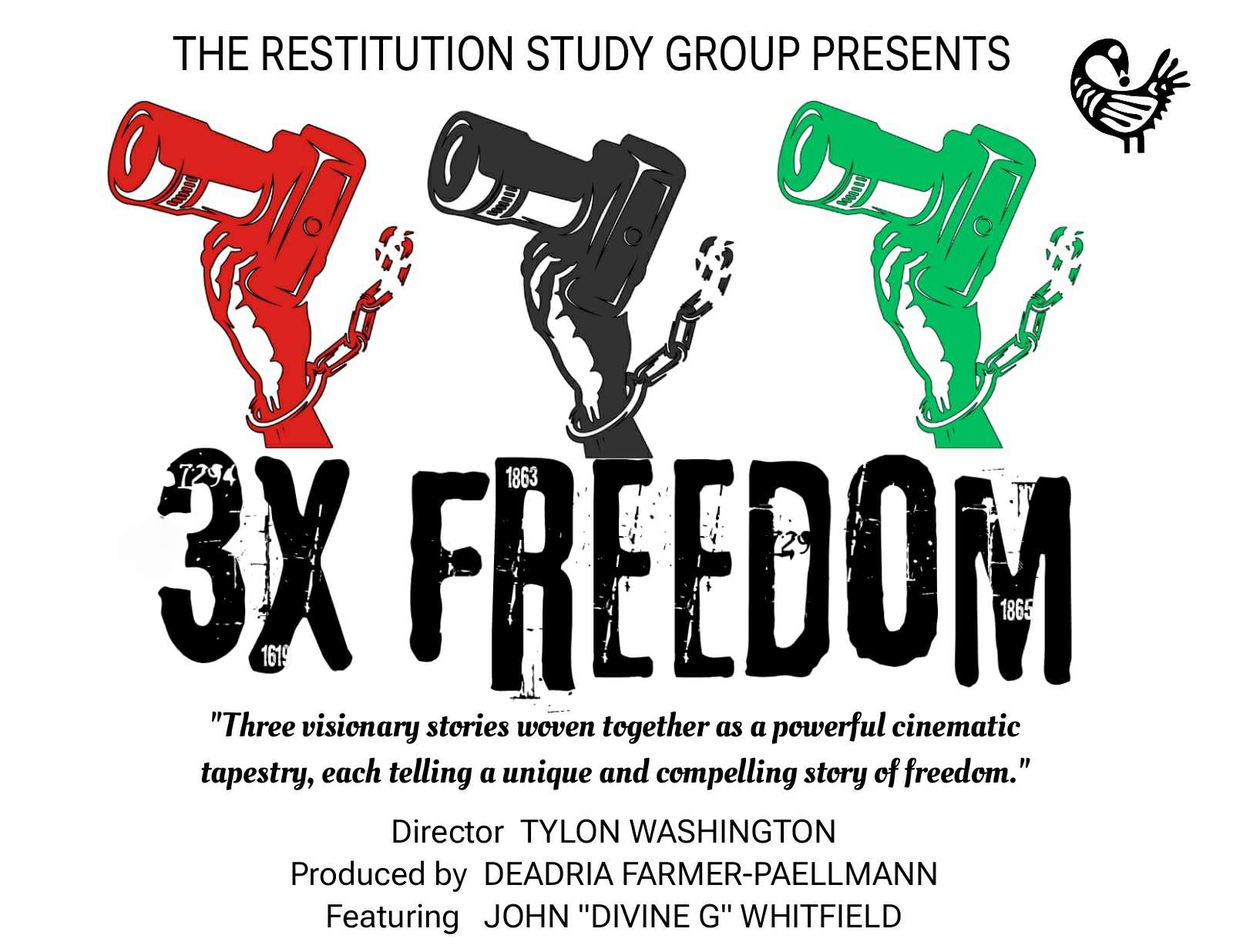
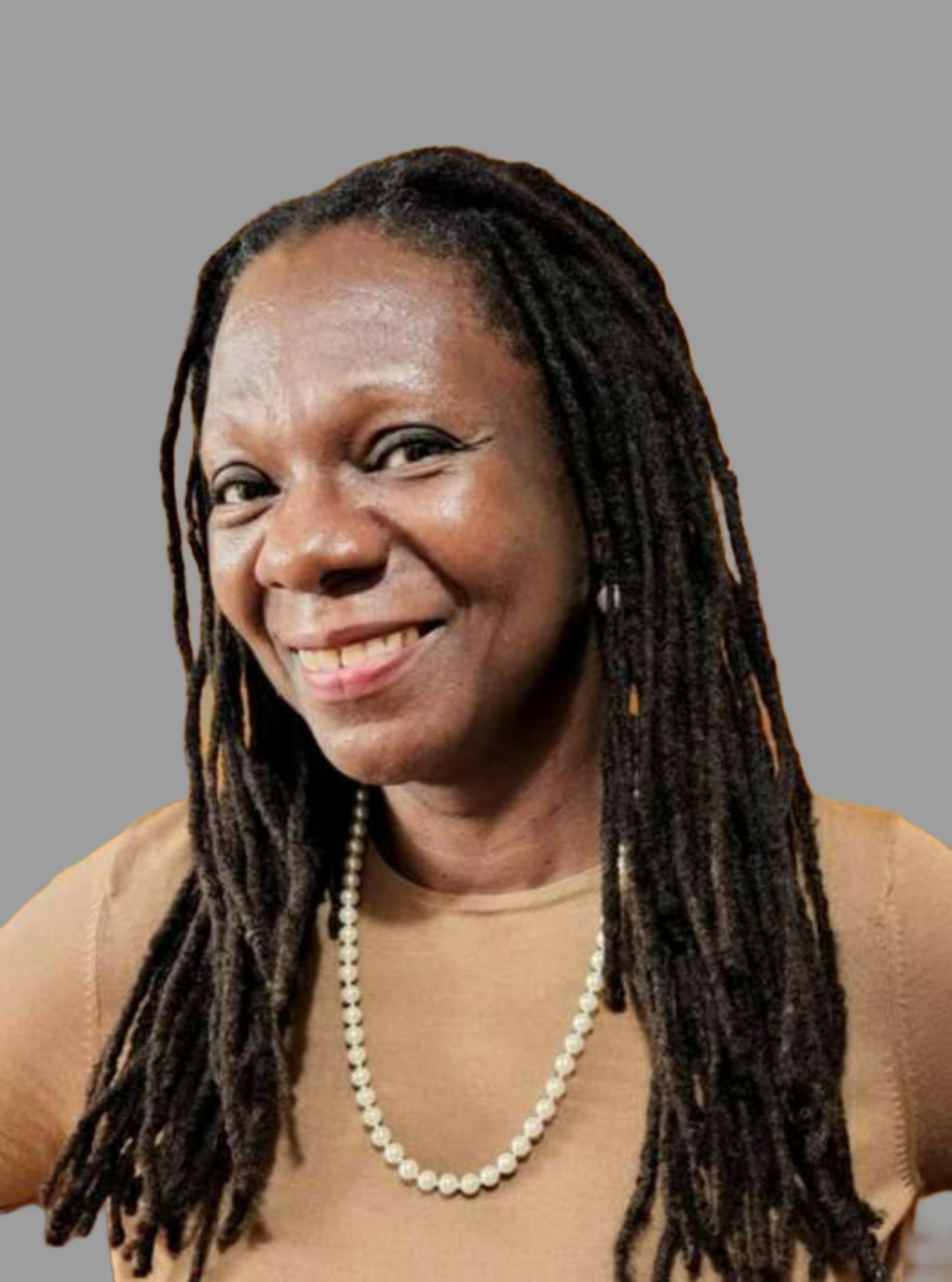

THE RESTITUTION STUDY GROUP PRESENTS “3X FREEDOM” AT THE 2025 CANNES FILM FESTIVAL
Screening in Pavillon Afriques’ Marché du Film Program | May 15, 2025 at 7:00 PM
Cannes, France — The Restitution Study Group is proud to present 3X Freedom, a powerful three-part anthology documentary exploring the unyielding fight for freedom among descendants of enslaved Africans, screening during the 2025 Cannes Film Festival as part of Pavillon Afriques’ Marché du Film program on May 15, 2025 at 7:00 PM.
3X Freedom unfolds through three gripping narratives:
- Disappearing Freedom: The Decline of Justice – John “Divine G” Whitfield battles being wrongfully convicted in the criminal injustice system and co-founds the Rehabilitation Through the Arts (RTA) Program at Sing Sing maximum security prison.
- Dry Bones: Corporate Complicity in Slavery – A young woman exposes Wall Street’s buried ties to slavery and fights to make them pay.
- They Belong to All of Us: The Benin Bronze Slave Trade Story – Slavery reparations leaders challenge the restitution of iconic Nigerian treasures to slave trader heirs and are inspired to build their own Benin Kingdom Museum.
A Q&A session will follow the screening, featuring:
- John “Divine G” Whitfield, Oscar-nominated filmmaker and subject of Sing Sing
- Tylon Usavior Washington, director of all three films
- Deadria Farmer-Paellmann, Executive Director of the Restitution Study Group and producer of 3X Freedom
Screening Details:
Date: May 15, 2025
Time: 7:00 PM
Location: Pavillon Afriques, Marché du Film, Cannes Film Festival
For interviews contact:
Email: rsgincorp1@gmail.com
Website: www.rsgincorp.org
New Campaign
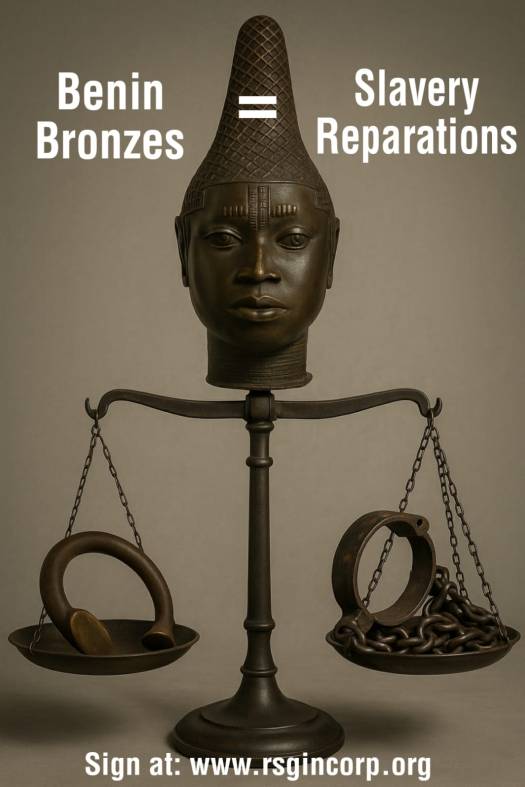
BENIN BRONZES = SLAVERY REPARATIONS
Boston Globe Letter to Editor
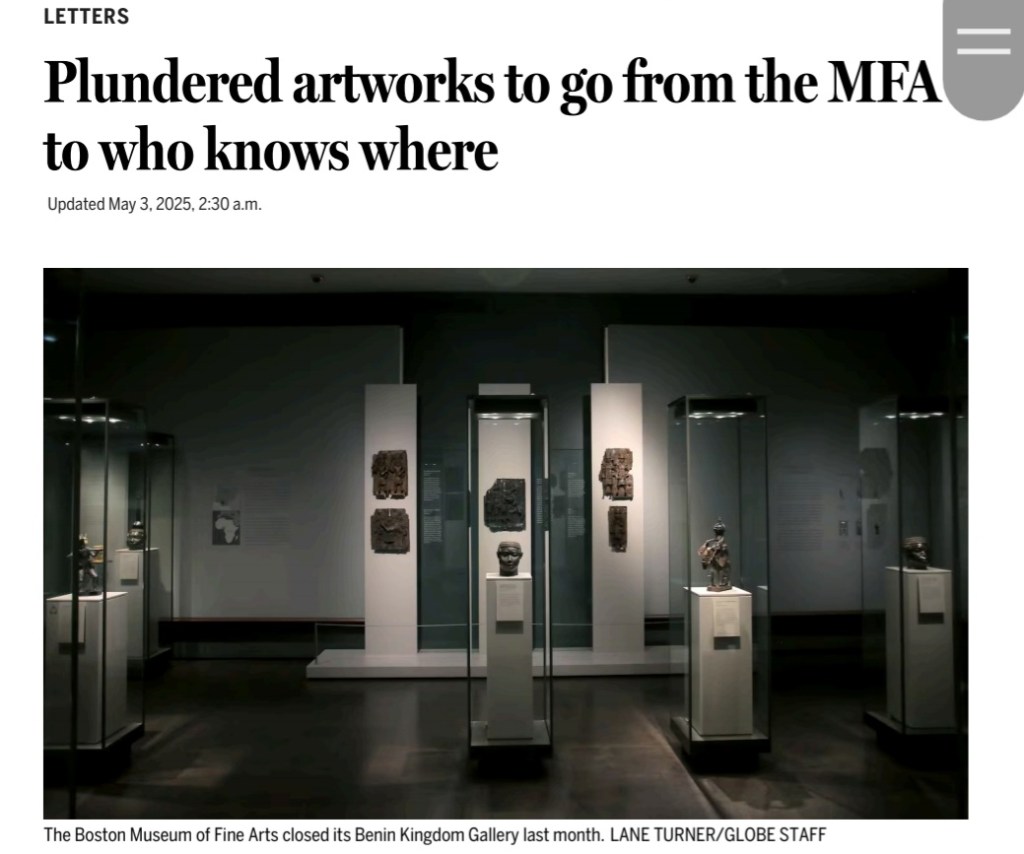
Benin bronzes should be entrusted to descendants of the enslaved
Thank you for your editorial on the Benin bronzes (“At the Museum of Fine Arts, a chance for justice,” April 27). However, calling for the repatriation of the plundered artworks to Nigeria erases the descendants of the enslaved Africans whose lives paid for
these artifacts. The bronzes were crafted from manilla currency used to purchase our
ancestors, including my Edo ancestors. Fifty manillas bought a woman; 57 bought a
male.
The Benin Kingdom stole our ancestors and sold them to European slave traders for
more than 300 years, producing as many as 8,000 of these brass treasures — laundered
slave trade profits. Today they are worth an estimated $30 billion. One bronze head
alone sold for more than $12 million.
We applaud collector Robert Owen Lehman’s decision to rescind his donation of pieces he’d pledged to Boston’s Museum of Fine Arts. No morally conscious person would enrich the heirs of slave traders with profits of human suffering. The Benin bronzes celebrate practices that persist today: Edo state remains a hub of human trafficking in Africa.
Nigeria already holds hundreds of bronzes, according to the Digital Benin project, and
many originals were gifted by Nigerian leaders, including to Queen Elizabeth II.
Institutions like the MFA have ignored Afrodescendant ownership claims, and most
continue to erase the slave trade origin from museum exhibits.
We need the bronzes for cultural education, metallurgy study, and DNA research linking
us to trafficked ancestors. Returning them unconditionally to Nigeria would rob the
world of opportunities for healing and justice. They must be entrusted to the descendants
of the enslaved, not gifted to the heirs of the slave traders.
Rather than retraumatizing Afrodescendants through this harmful double standard, the
MFA could help usher in repair from three centuries of transatlantic slavery and a
century of colonialism by facilitating joint stewardship. They belong to all of us.
Deadria Farmer-Paellmann
Founder and executive director
Restitution Study Group
New York
Read the whole letter published by the Boston Globe on May 3, 2025 with more letters and links:
https://www.bostonglobe.com/2025/05/03/opinion/letters-to-the-editor-mfa-benin-bronzes-gallery-closed/
Announcements
From Manillas to Mastery: Afrodescendants Reclaim Benin Bronze Legacy Through Law, Art, and Ancestral Tribute

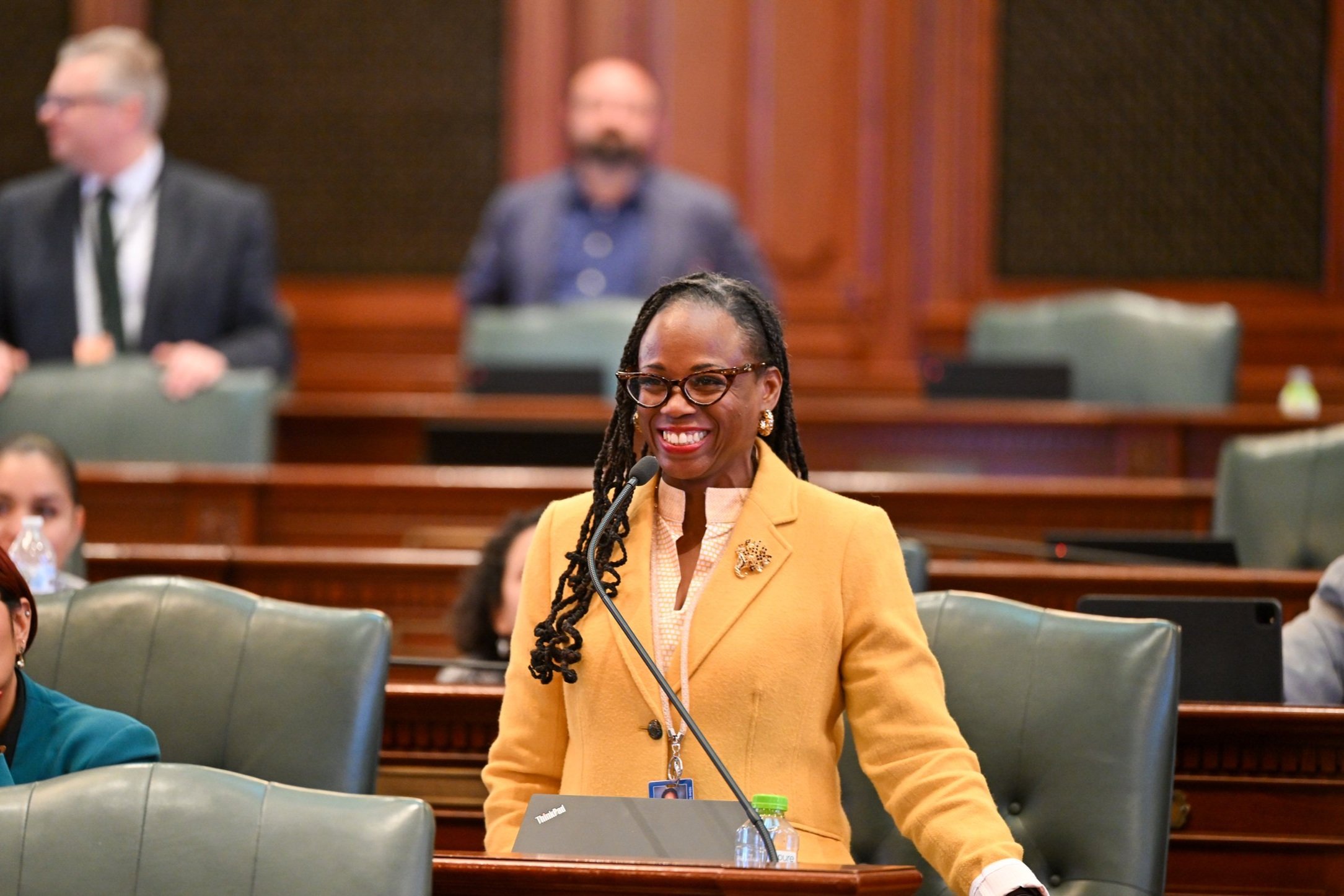
- LEGISLATIVE BREAKTHROUGH: Tuesday, March 25th, 2025, Illinois State Rep. Carol Ammons introduced House Resolution 0211—a historic bill recognizing the slave trade origins of the Benin Bronzes and calling for joint stewardship, transparent inventories, and cultural healing for descendants of the enslaved. Read more
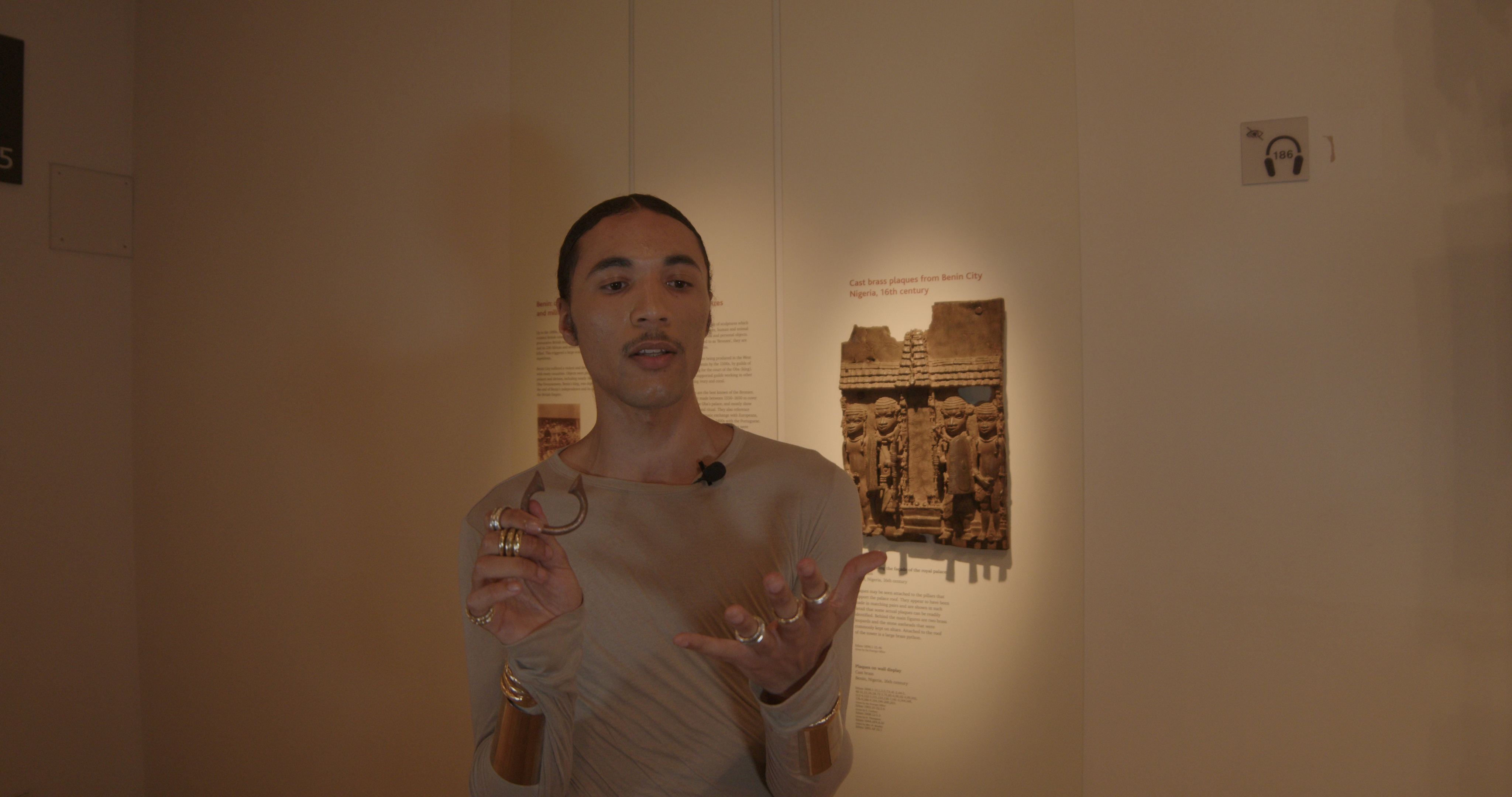
- ANCESTRAL DEDICATION IN LONDON: Saturday, March 29th, 2025, UK Fellow Jirah Joshua led a moving ceremony at the British Museum, unveiling a leather bronze mudfish stool and dedicating prayers and poetry in memory of those lost to the Maangamizi. Watch here
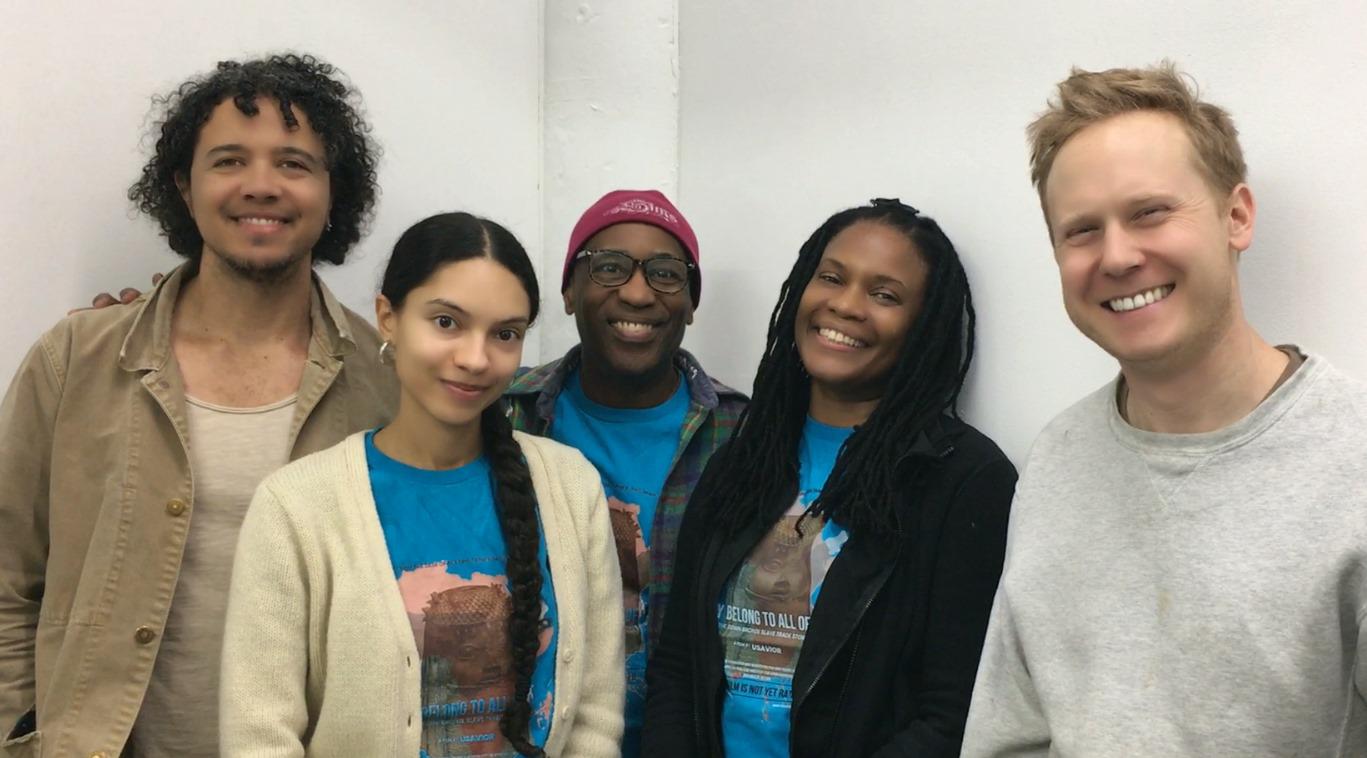
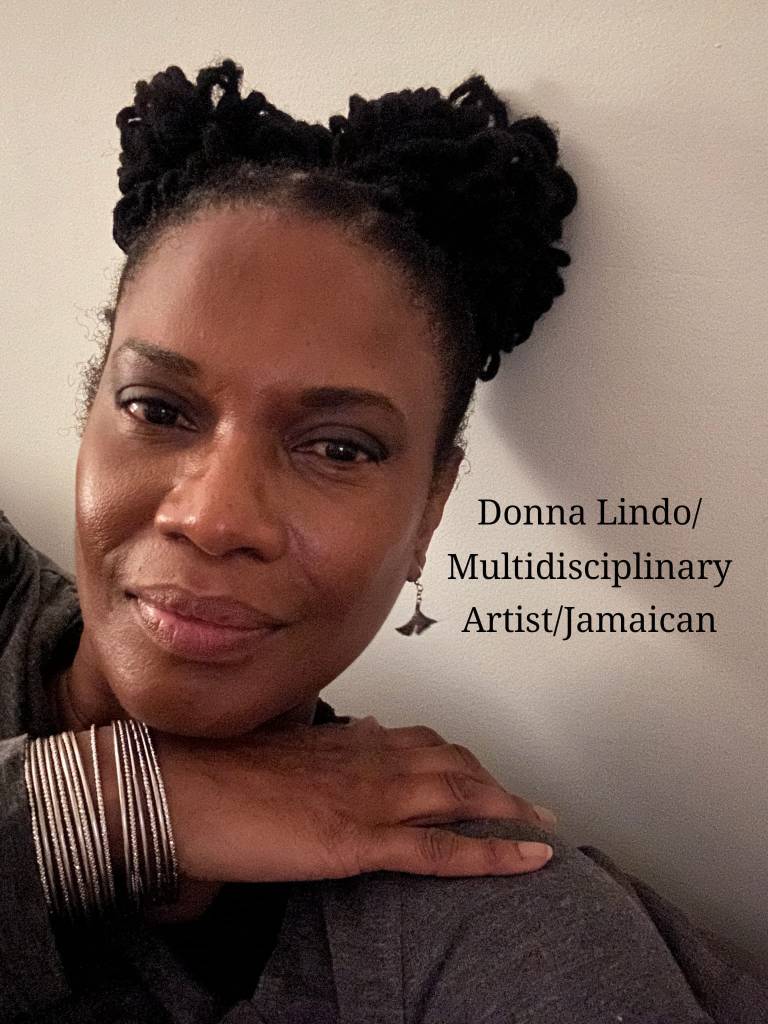
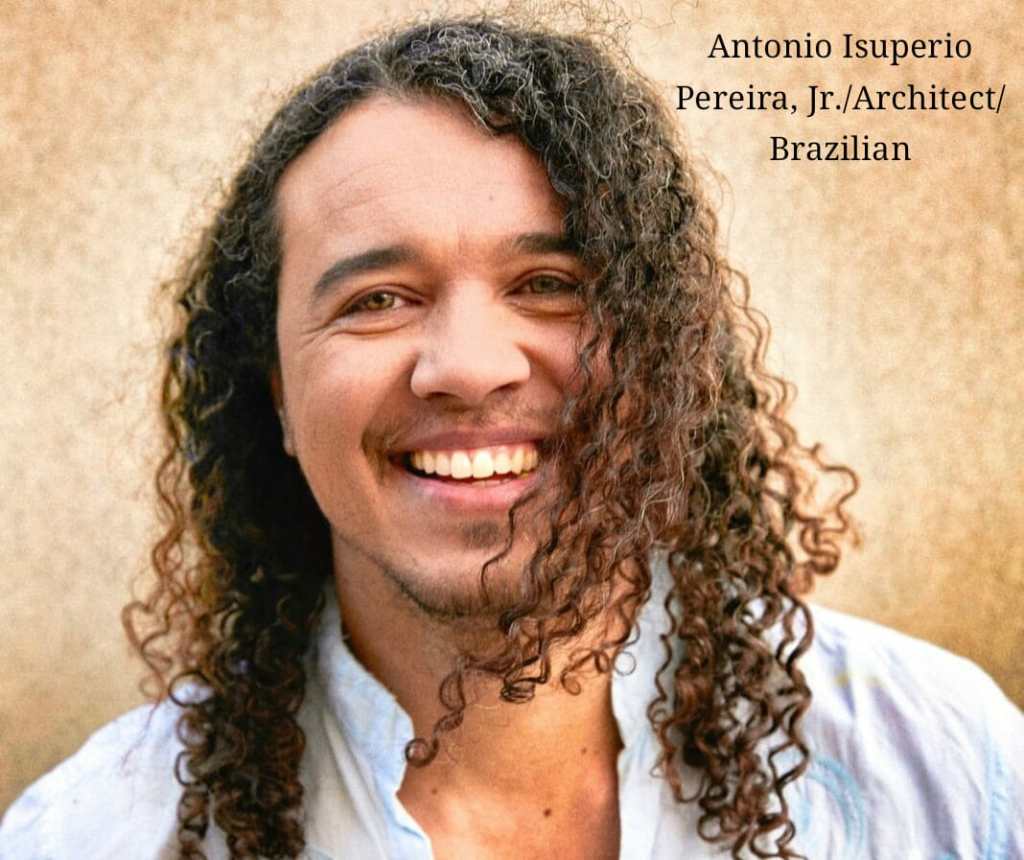
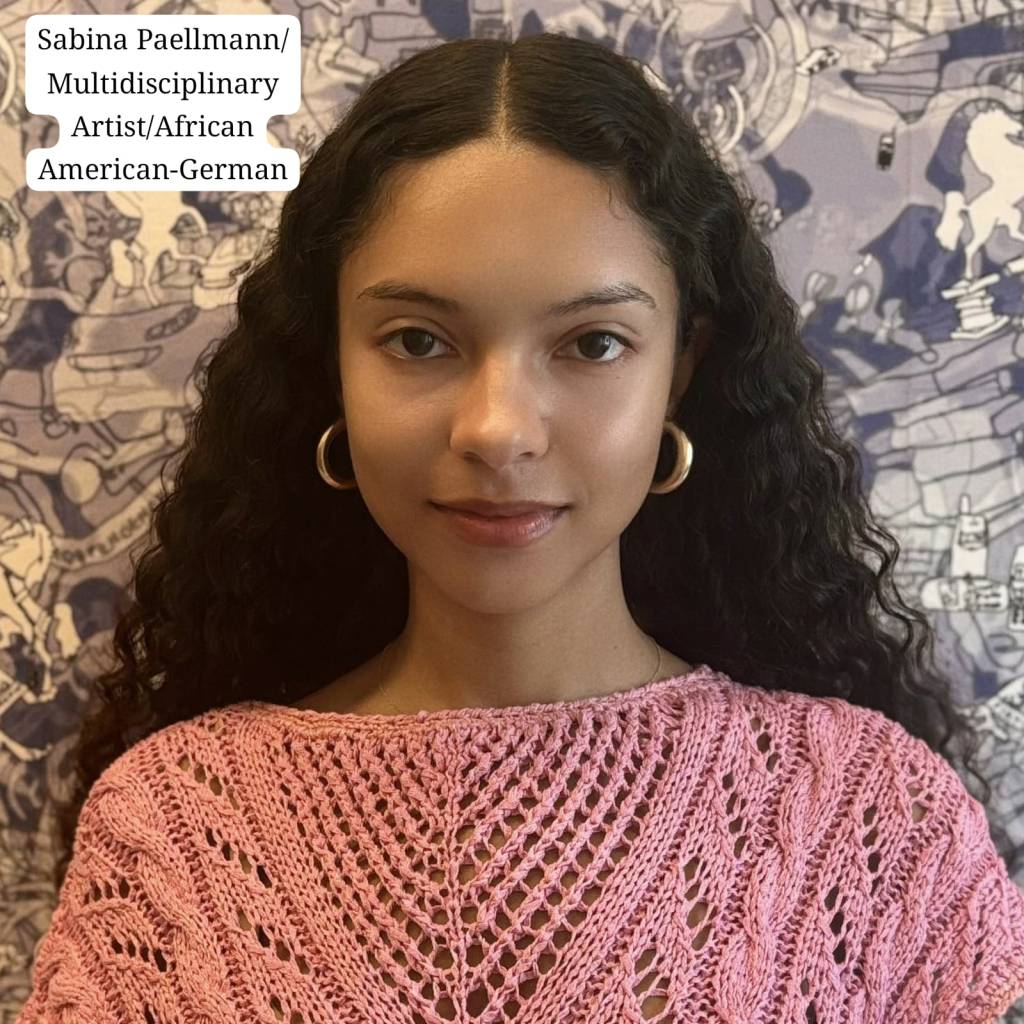
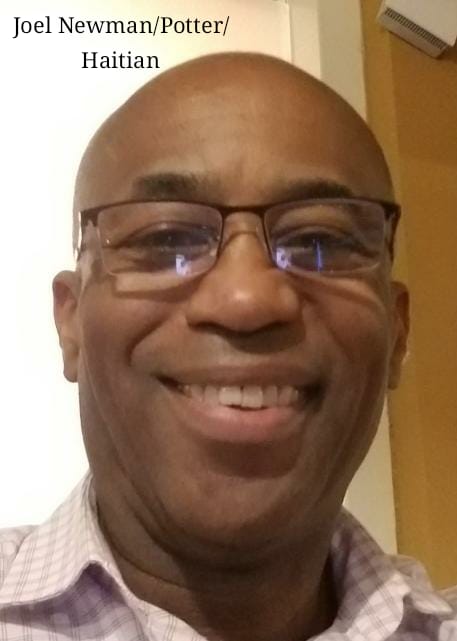
- A NEW BRONZE LEGACY: Thursday, March 27th, 2025, In Astoria, Queens, four Benin Kingdom Museum Bronze-Making Fellows (Antonio Isuperio Pereira/Brazil, Sabina Paellmann/USA-Germany, Joel Newman/Haiti, and Donna Lindo/Jamaica)—descendants of Benin Kingdom transatlantic enslaved people—poured the first Benin bronze replica informed by the slave trade origin truth with foundry Prof. Blake Hiltunen. The new bronze marks a powerful act of reclamation and, after chasing (fine tuning the final sculpture) will be exhibited globally as part of the Harlem-based Benin Kingdom Museum. Watch the video
Together, these actions affirm Afrodescendants’ claiming their ownership and joint stewardship rights over the Benin Bronzes, shaping the future of the global narrative of justice, truth, and cultural restoration.
Learn more at www.rsgincorp.org
NPR Podcast
Unraveling the Benin Bronze Controversy: A Must-Listen Podcast & Exclusive Insights
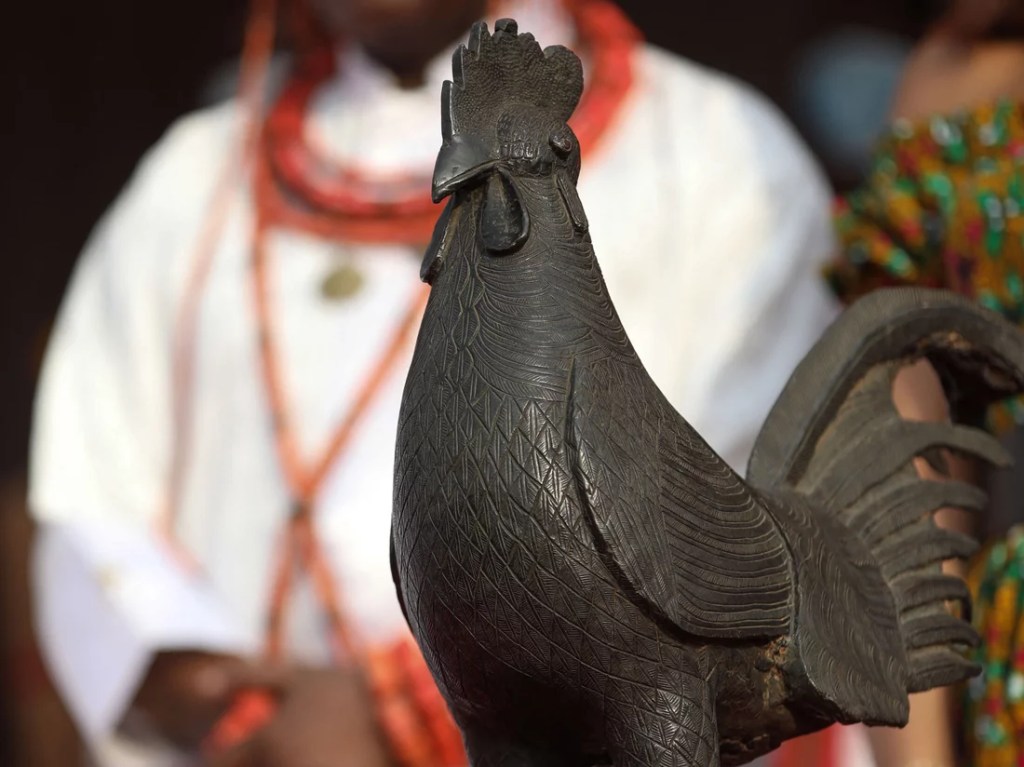
For those still catching up on the ongoing battle over the Benin bronzes, NPR’s latest award winning Throughline podcast, “The Kingdom Behind the Glass,” delivers an insightful deep dive, featuring none other than Deadria Farmer-Paellmann, Executive Director of the Restitution Study Group along with other prominent voices in this battle — Ore Ogunbiyi, Africa correspondent for The Economist; Nwando Achebe, the Jack and Margaret Sweet Endowed Professor of History at Michigan State University; and Dan Hicks, professor of contemporary archaeology at the University of Oxford, and curator at the Pitt Rivers Museum.
This episode explores the complex history and legal fight surrounding these looted treasures, offering a compelling listen for anyone invested in cultural restitution.
But that’s not the full story. What NPR didn’t air is just as important. For the unfiltered, full-length interview with Deadria Farmer-Paellmann—including key insights that didn’t make the final cut— listen here:
🎥 Listen to the full interview:
Stay informed. Stay engaged. The fight for justice is far from over.
Announcement
Museum Rietberg Adds Slave Trade Origin of Benin Bronzes to Exhibit
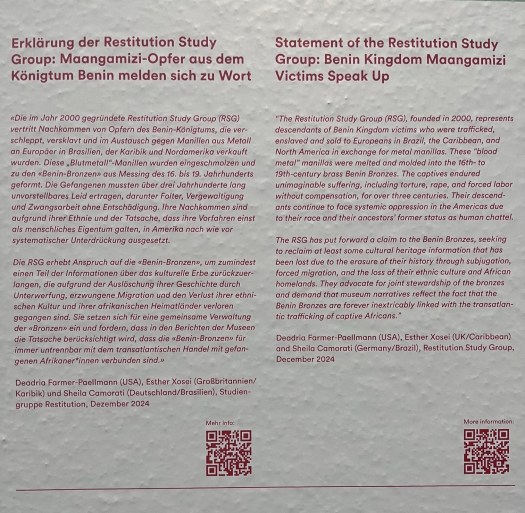
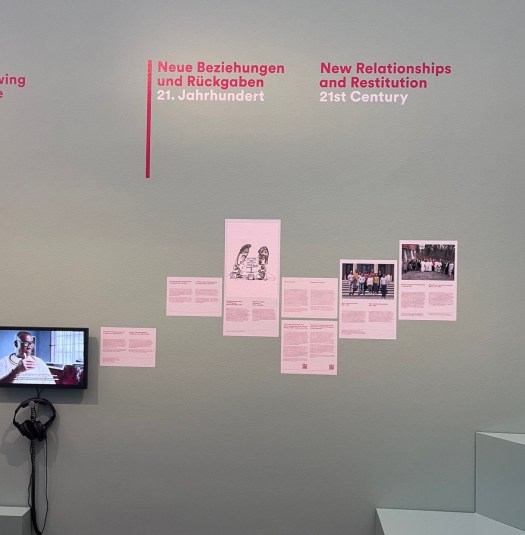


ZÜRICH, Switzerland — In a groundbreaking development for cultural heritage dialogue, Museum Rietberg has expanded its Benin Bronzes exhibition to include crucial perspectives from the Restitution Study Group (RSG), marking a significant step toward the inclusive stewardship of these historic artifacts. The exhibition, which concludes on February 16, 2025, now features a dedicated panel highlighting the often-overlooked connection between the Benin Bronzes and the transatlantic slave trade.
This historic breakthrough follows the powerful advocacy of RSG Executive Director Deadria Farmer-Paellmann at a Rietberg event in October. Despite not being officially invited to speak at the conference—which included representatives from Nigeria and the Benin Royal Family—Farmer-Paellmann seized the opportunity to address the audience, calling attention to the exclusion of Afrodescendant voices and underscoring the slave trade origins of the artifacts by presenting a manilla, a form of currency used in the transatlantic slave trade. Manillas were melted and molded into the 16th to 19th century Benin bronzes.
Her intervention led to an immediate two-hour meeting between the Nigerian Director-General of the National Commission for Museums and Monuments (NCMM), the RSG, and Swiss Edo representatives—marking the NCMM’s first engagement with the RSG after two years of outreach efforts.
“Museum Rietberg’s decision to include our perspective is a crucial first step in acknowledging the full historical context of these artifacts,” said Farmer-Paellmann. “We believe this model of inclusive dialogue and representation should be adopted by all institutions displaying Benin Bronzes.”
“It was critical to name the crime Maangamizi on the panel, rather than merely referring to it as transatlantic enslavement, to convey the intentionality of the torture, ethnocide, forced migration, uncompensated servitude, and oppression inflicted upon our ancestors and us,” said Esther Xosei, RSG Caribbean/UK Mobilizer.
“The 10,000 Benin bronzes circulating globally, valued at $30 billion in total, are central to both Edo and Afrodescendant heritage; therefore, we must all have a voice in the narrative and stewardship,” added Sheila Camorati, RSG Brazil/EU Mobilizer.
The RSG has proposed an innovative joint stewardship model that benefits all stakeholders, including support for a global Benin Kingdom Museum franchise. This sustainable development initiative involves sharing 3D scans and circulating duplicate bronzes, enabling Afrodescendants to tell the complete Benin Bronzes story—from the slave trade manillas to contemporary resilience.
A cornerstone of this initiative is the newly launched Benin Kingdom Museum Bronze-Making Fellowship, which currently trains five fellows representing the global Afrodescendant community from Jamaica, Haiti, Brazil, and the United States. These artisans are learning both traditional lost-wax casting methods and modern 3D scanning techniques to create authentic replicas of the bronzes.
The RSG continues to advocate for expanded dialogue with Nigerian authorities and other stakeholders to ensure that all voices are heard in determining the future of these significant cultural artifacts.
New Video
Opening Session of Historic Benin Kingdom Museum Bronze-Making Fellowship
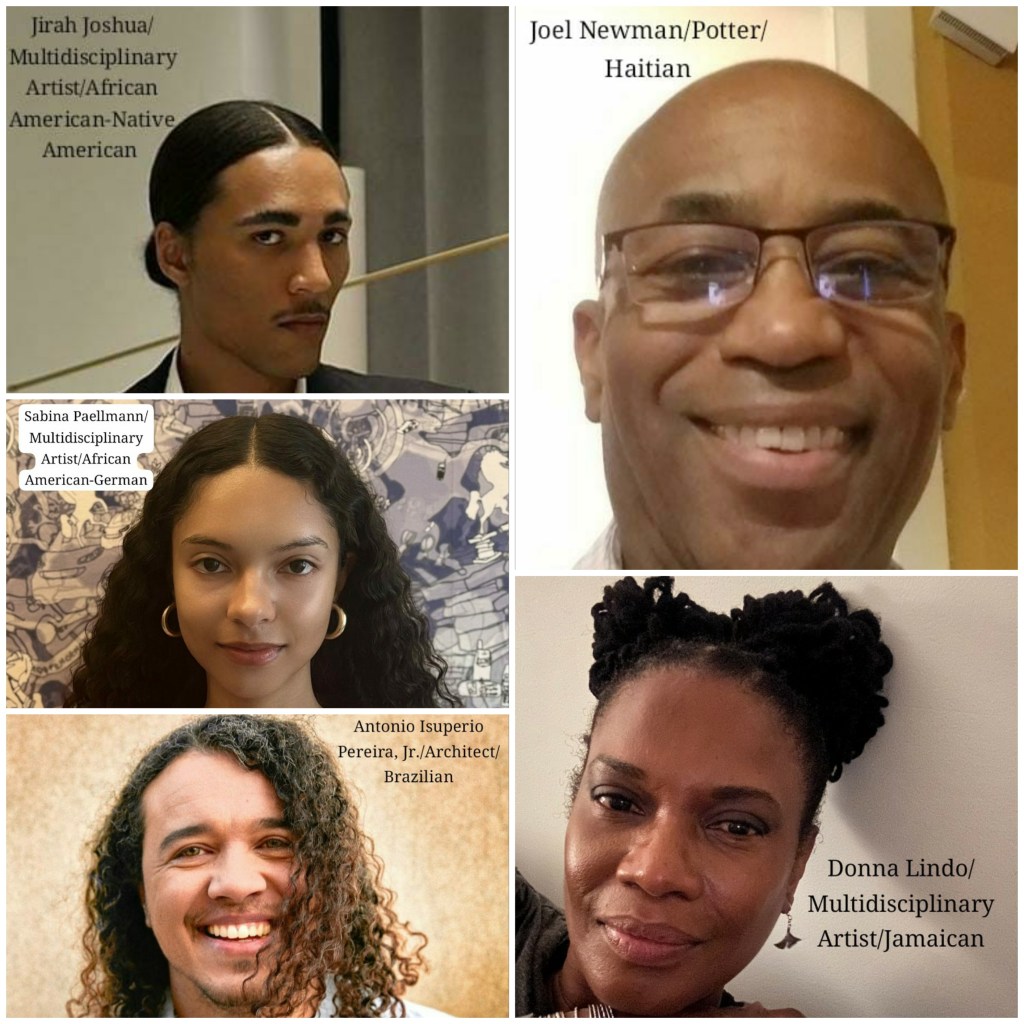
On January 11, 2025, at 11 a.m. ET, the Restitution Study Group (RSG) hosted the opening session of the Benin Kingdom Bronze-Making Fellowship, moderated by RSG Founder and Executive Director Deadria Farmer-Paellmann. The session featured special remarks by His Highness Prince Nosuyi Ovonramwen of the Benin Kingdom and Queen Mother Dr. Delois Blakely of Harlem’s “Royal Court.”
Fellows and Instructor included Jirah Joshua, a multidisciplinary artist and furniture design specialist (African American–Native American); Donna Lindo, a sculpture specialist (Jamaican); Joel Newman, a potter (Haitian); Sabina Paellmann, a painter and arts administrator (African American–German); Antonio Isuperio Pereira, Jr., an architect (Brazilian), and Professor Blake Hiltunen, a foundry expert and Pratt Institute Associate Professor (Finnish-American).
Mobilizers in attendance included Esther Xosei (Caribbean/UK), Sheila Camaroti Silva (Brazil/EU) and Tylon Washington, RSG Director of Multimedia.
For inquiries, interviews or to make a tax deductible contribution to support the work of the RSG, contact: rsgincorp1@gmail.com
Announcement
Restitution Study Group Announces Launch of Inaugural Fellowship Program in Bronze Making
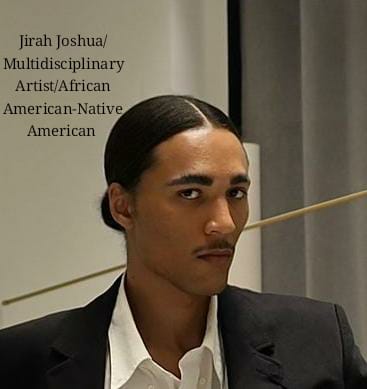
New York, NY — The Restitution Study Group (RSG), a New York-based slavery reparatory justice institute, is proud to announce the launch of the Benin Kingdom Museum Bronze Making Fellowship Program—a groundbreaking initiative to preserve and educate about the artistry and historical legacy of Benin Kingdom bronze making, rooted in the transatlantic slave trade. Five Afrodescendants (descendants of enslaved Africans) have been selected for the inaugural cohort of fellows to receive expert instruction from Foundry Specialist Professor Blake Hiltunen (Pratt Institute). The program combines traditional craftsmanship with a powerful cultural narrative, bridging continents and histories.
The inaugural fellows, all artists, are:
Jirah Joshua (African American–Native American), participating from London
Donna Lindo (Jamaican)
Joel Newman (Haitian)
Sabina Paellmann (African American–German)
Antonio Isuperio Pereira, Jr. (Brazilian)
Four fellows will participate in hands-on classes at a studio in Brooklyn, New York, while one fellow will work independently from London, where he is developing a related performance art piece. Over the course of the program, fellows will create individual Benin bronze-inspired works and collaborate on a replica Benin bronze head. The works will join the permanent collection of the planned Benin Kingdom Museum in Harlem—the first in a global franchise for cultural education and sustainable development.
The program was made possible by a reparations payment from the heir of an enslaver who built wealth on the backs of kidnapped and trafficked African people. Esther Xosei, the RSG UK mobilizer who helped negotiate the agreement, said:
“We applaud the contributor for taking responsibility to atone for the crime against humanity committed by their ancestors. This effort aims to take tangible steps toward repairing and healing from the injury of genocide—particularly ethnocide, the destruction of our African identities, which is often overlooked in the struggle for reparatory justice.”
Deadria Farmer-Paellmann, Executive Director of the Restitution Study Group, remarked on the program’s cultural and historical significance:
“This fellowship is a monumental step in reuniting the descendants of Benin Kingdom captives with the traditions and artistry their ancestors paid for with their lives.”
Through a partnership with a prominent museum, the fellows will gain access to scan original Benin bronzes for their studies. Thanks to RSG’s advocacy, several other world museums now acknowledge the slave trade origins of the Benin bronzes. Between the 16th and 19th centuries, these relics were crafted using manilla currency, valued at 50 manillas for a female and 57 for a male. The Benin Kingdom Museum will specialize in unveiling this hidden truth and provide DNA testing and cultural education for Afrodescendants to reconnect with their African ancestry.
The program kicks off with an opening session on Saturday, January 11, 2025. Hands-on instruction begins January 18 at a Brooklyn studio and continues over several weekends.
The works created in the fellowship program will tour globally in Benin Kingdom Museum pop-up exhibits, including performance art and video installations. The tour will also feature the Cannes 2023 Cellphone Cinema Showcase Award-winning documentary:
They Belong to All of Us — The Benin Bronze Slave Trade Story: https://videopress.com/v/TXOq2GdB
To book an interview or pop-up exhibit, or to make a tax-deductible donation to support the work of the RSG, contact:
Deadria Farmer-Paellmann
Executive Director
Restitution Study Group
Email: rsgincorp1@gmail.com
Phone: 917-365-3007
The Benin Kingdom Museum is a project of the Afrodescendant Trust Fund: www.theADTF.com
###
Video Announcement of Benin Kingdom Museum Bronze making Fellows.
FREE CLASS
Benin Bronze-Making Class in New York City!
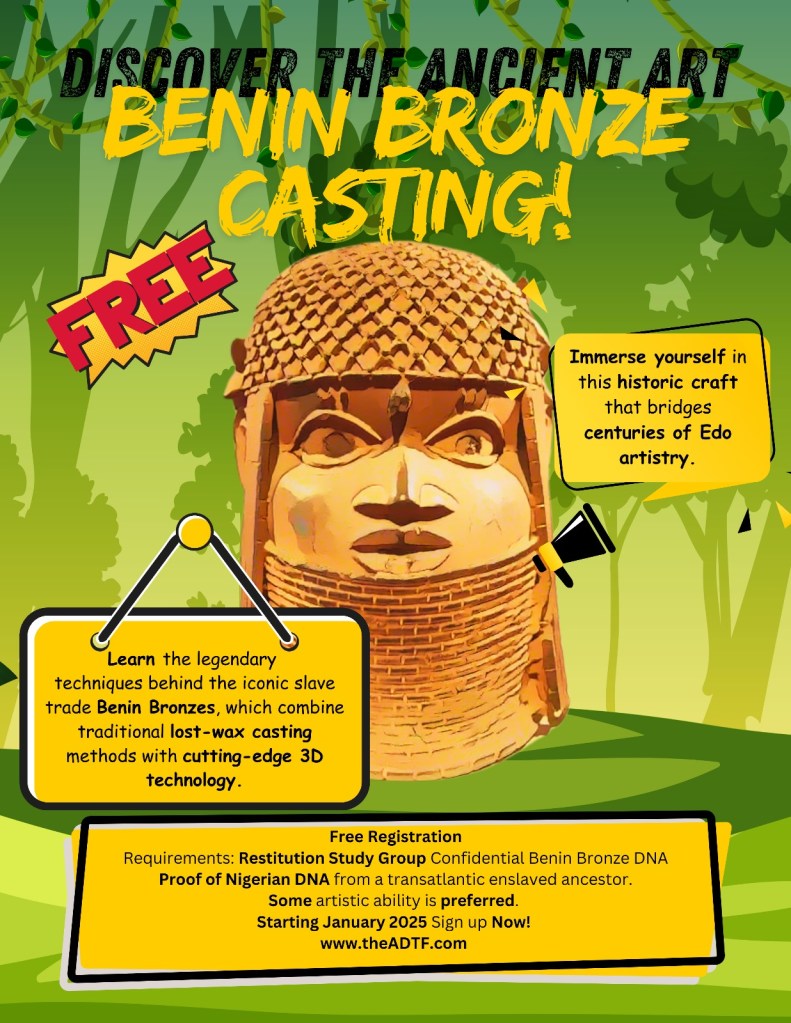
The Restitution Study Group is thrilled to announce the launch of our Benin Bronze-Making Class, beginning January in New York City!
This transformative opportunity is made possible through a reparations payment generously contributed by a slave money heir. We give thanks to God and the ancestors for inspiring this act of justice and consciousness. We also extend an open invitation to others to join this vital mission of restitution and healing.
Participants in this class will learn the ancient and celebrated art of Benin bronze casting. The bronzes created will become part of the permanent collection of the Benin Kingdom Museum Franchise, a sustainable cultural education institution under the Afrodescendant Trust Fund.
Learn more about our mission and support this cause at http://www.theADTF.com.
Let’s create art, history, and justice together.
Director, Tylon “Usavior” Washington
Written By, Deadria Farmer-Paellmann
 Restitution Study Group