


Restitution Study Group and The Met Celebrate Historical Strides
The Restitution Study Group celebrates two historic breakthroughs in our global reparatory justice campaign. On May 31st, the Benin Kingdom Museum Bronze-Making Fellows completed the first-ever Oba Head born out of unity—a powerful act of ancestral remembrance, cultural skill, and community collaboration. The Fellowship was made possible through a reparative contribution from the heir of a slave-trade fortune, and it was blessed by a Benin Kingdom royal, who extended spiritual prayers to the Fellows in support of their journey. This moment embodied the kind of global unity, healing, and truth-telling that reparatory justice calls for.
That same day marked the official reopening of the Michael C. Rockefeller Wing at the Metropolitan Museum of Art, where revised wall text now reflects a more truthful account of the origins of the Benin bronzes. We previewed the exhibit during a special reception on May 28th, and the updated narrative represents a long-overdue milestone in public history.
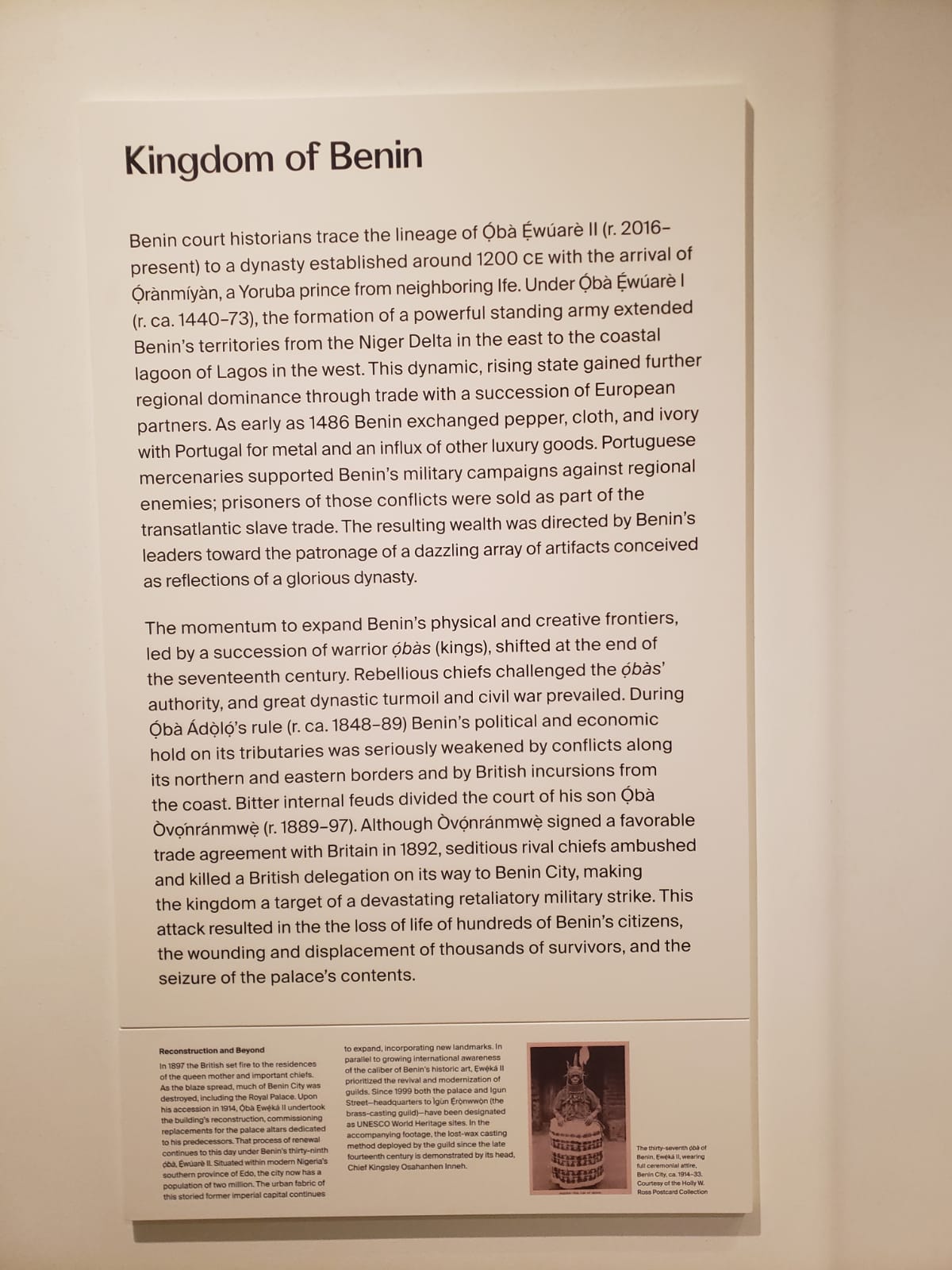
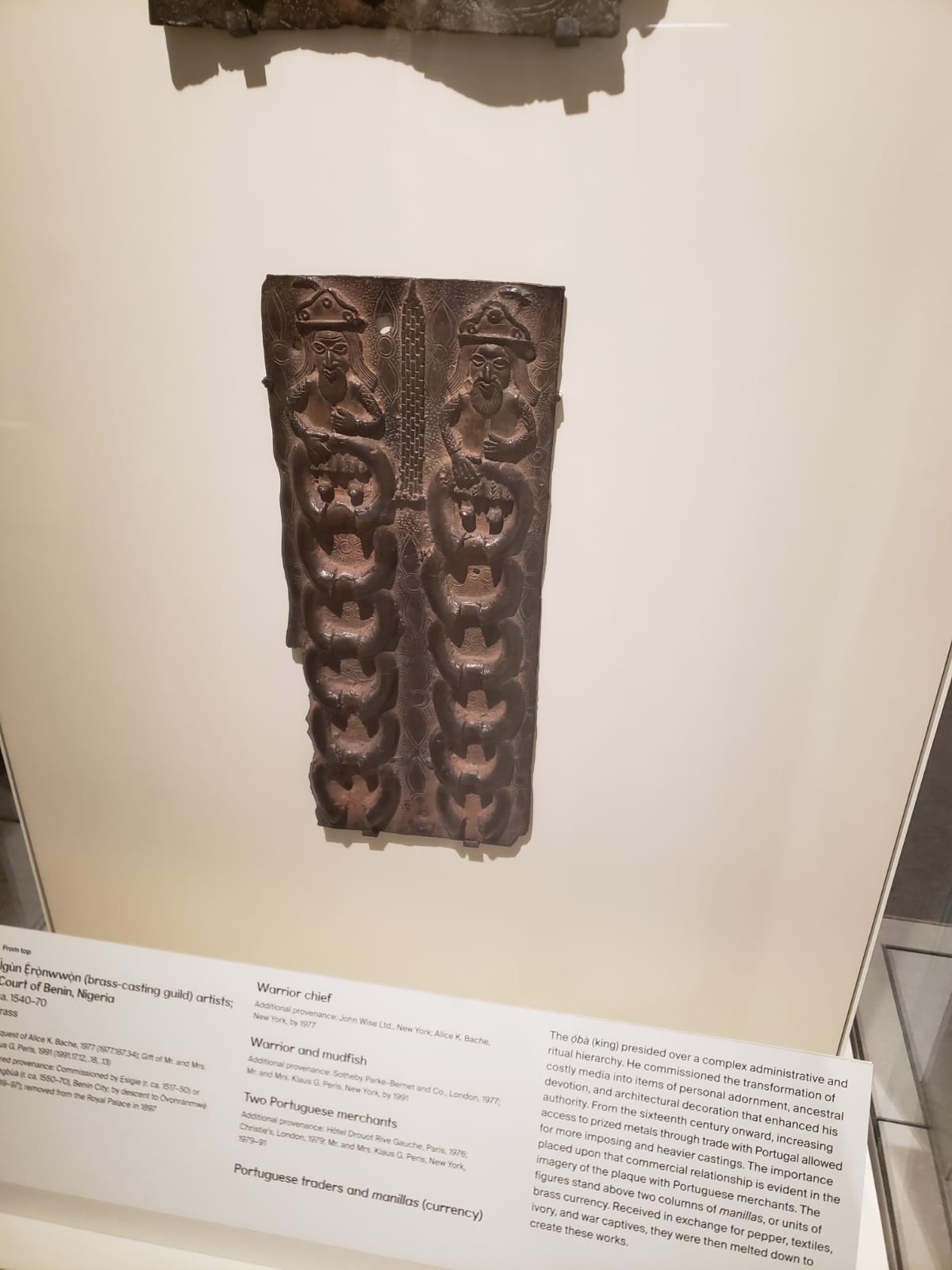
The Met now acknowledges that the bronzes were made from “manillas, or units of brass currency… received in exchange for pepper, textiles, ivory, and war captives,” which were “then melted down to create these works.” It further states that “Portuguese mercenaries supported Benin’s military campaigns” and that captives were sold “as part of the transatlantic slave trade.” The museum also includes, for the first time, the ambush of a British delegation in 1897, which resulted in the retaliatory military strike that led to the looting of the Benin bronzes. While this is a crucial step forward, the Met still omits that the British delegation was unarmed, composed of approximately 250 African porters and 12 British naval officers, and that only 3 survived the massacre. This order of events—long excluded from museum narratives—is essential to understanding the violent origins of the bronzes’ removal.
These revisions result from direct consultations with the Restitution Study Group, whose work has helped institutions like the Humboldt Forum in Berlin, Museum Rietberg in Zurich, and Weltkulturen Museum in Frankfurt begin correcting the historical record. We now urge all museums still lagging to upgrade their language and embrace full transparency.
Reparations are not just about financial restitution—they are about the healing that comes from truth-telling and self-determination. Now, for the first time in more than a century, Afrodescendant children can walk into The Met and see our direct connection to the relics on display. That connection, never before told, is being presented thanks to the unwavering efforts of the Restitution Study Group.
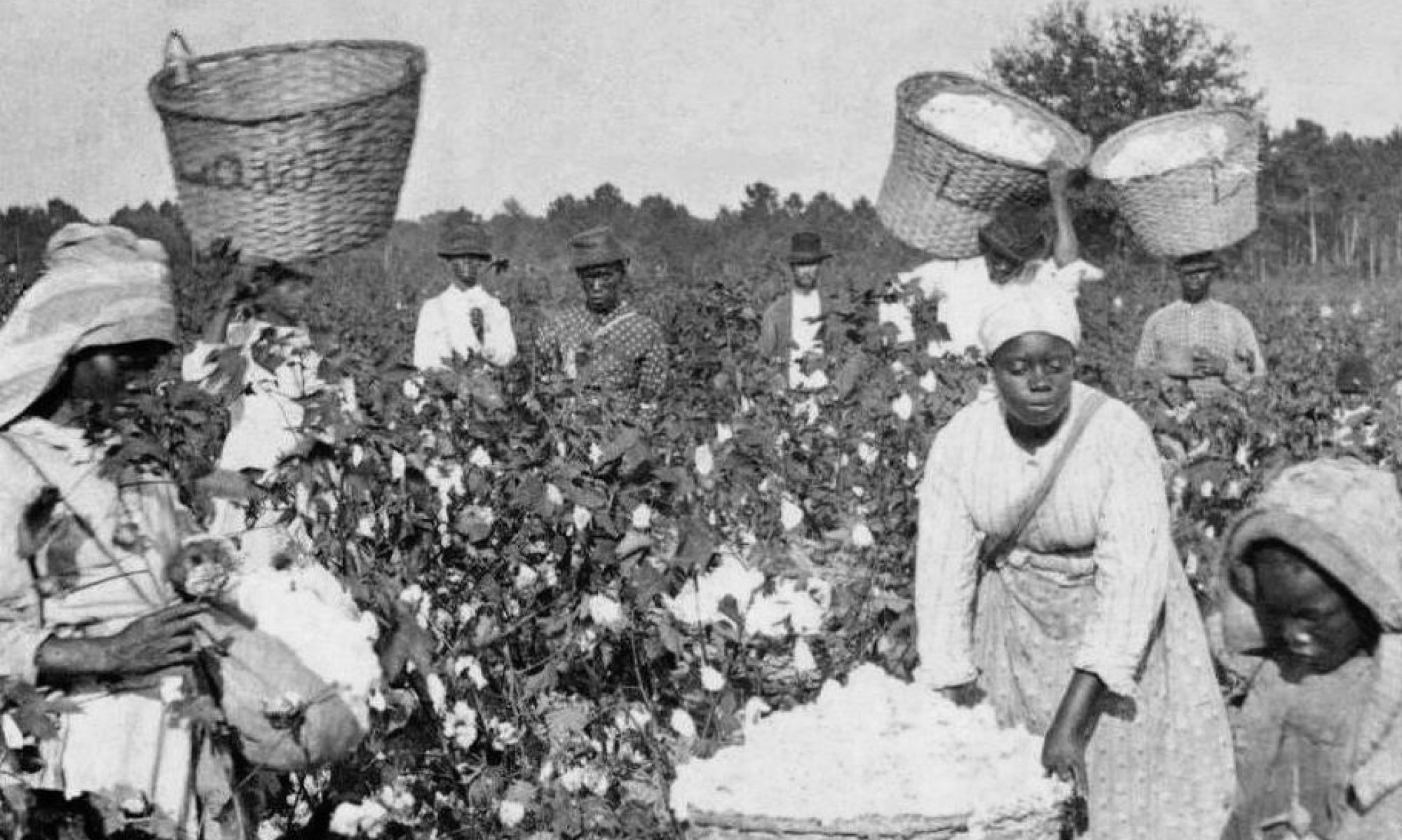
“The slave trade origin of the Benin bronzes is central to our advocacy for joint stewardship and rightful representation. These artifacts are essentially laundered slave trade profits. Afrodescendants should have been paid—not trafficked into 300 years of brutal chattel slavery in the Americas. That truth demands recognition, redress, and shared authority over these cultural treasures.”
— Deadria Farmer-Paellmann, Executive Director, Restitution Study Group
To deepen this work, we are calling on stakeholder museums to allow our Fellows to do 3D scans of their Benin bronzes so the Benin Kingdom Museum, opening soon in Harlem, can create educational replicas. This museum is the first of a global franchise—bringing cultural education, healing, and historical clarity to Afrodescendant communities throughout the Americas and the world.
Photos left to right: Deadria Farmer-Paellmann, Executive Dir. Restitution Study Group; Olugbile Holloway, Director-General, National Commission for Museums and Monuments, Nigeria and his wife Temi Holloway, Entrepreneur/The Met Benin Kingdom Punitive Expedition narrative/The Met slave trade manillas narrative. Photos by Nils Paellmann
Bottom photo: Benin Kingdom Museum bronze oba head replica and wax studies Photo by Antonio Isuperio Pereira, Jr.
 Restitution Study Group