
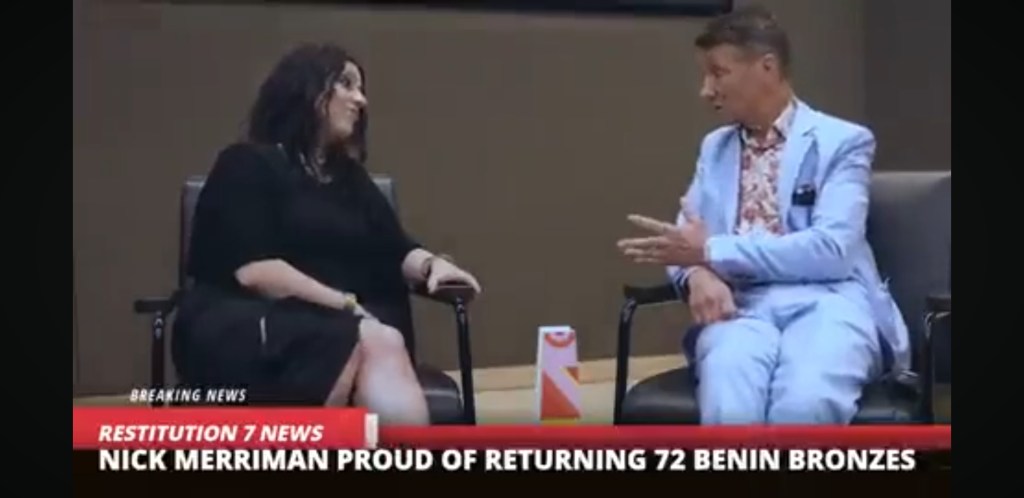
Nick Merriman’s sudden resignation as Chief Executive of English Heritage comes not only after a tumultuous 18 months marked by staffing cuts and restructuring, but also amid lingering concerns over his handling of the Horniman Museum’s return of Benin bronzes to Nigeria.
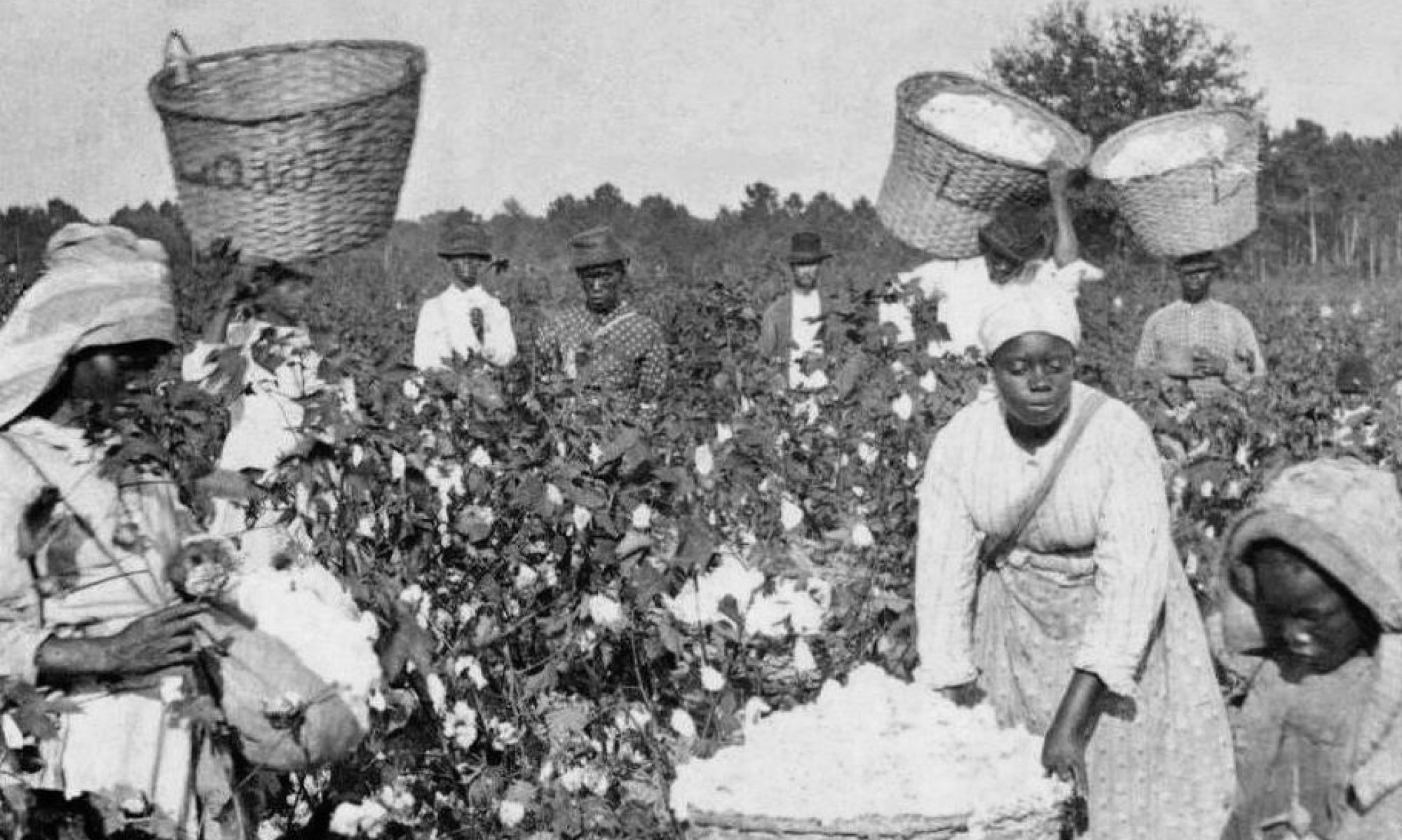
While heralded by some as a moral act of restitution, Merriman’s oversight of the Horniman’s 2022 transfer of looted Benin artefacts failed a key ethical test: inclusive and informed consultation with British Afrodescendants—particularly those descended from captives sold by the Benin Kingdom in exchange for the manilla currency used to create the bronzes.
Instead, consultations were limited to a narrow set of participants, mainly African-born Londoners and schoolchildren, many of whom were not informed of the slave trade origins of the bronzes. This exclusionary process echoes colonial-era decision-making, where the voices of those most affected by historical atrocities were disregarded in favor of top-down “benevolence.”
By facilitating the gifting of the Horniman’s Benin bronze Collection to heirs of Benin Kingdom royalty—who profited from the enslavement of Africans—without transparent engagement of the descendants of those captives, Merriman committed a grave disservice. The bronzes are not neutral heritage objects; they are molded from the very currency used to buy human lives, embodying generations of pain and displacement.
As Merriman exits his post, the heritage sector must reflect on how restitution is carried out—and who gets to decide. True justice demands full consultation, not selective virtue.
 Restitution Study Group
One Reply to “”