Benin City is in turmoil following the disrupted opening of the new Museum of West African Art (MOWAA). Amid this intensifying debate, BBC Newsday and BBC World News: Focus on Africa asked the Restitution Study Group (RSG) to share our perspective on the Benin Bronzes, their origins, and their future.
BBC WORLD NEWS INTERVIEWS
1. BBC World News: Focus on Africa — Television Feature
Deadria Farmer-Paellmann, Executive Director, RSG
2. BBC Newsday — Radio Segment

Q&A Provided for BBC Interviews
The following responses reflect the complete statements we prepared for BBC Newsday and BBC Focus on Africa. Due to time constraints and editorial editing, only portions of these answers appeared in the final broadcasts. We are sharing them here to provide full context and to ensure the Afro-descendant perspective is fully represented.
Q1. Why do we lay claim to the Benin Bronzes?
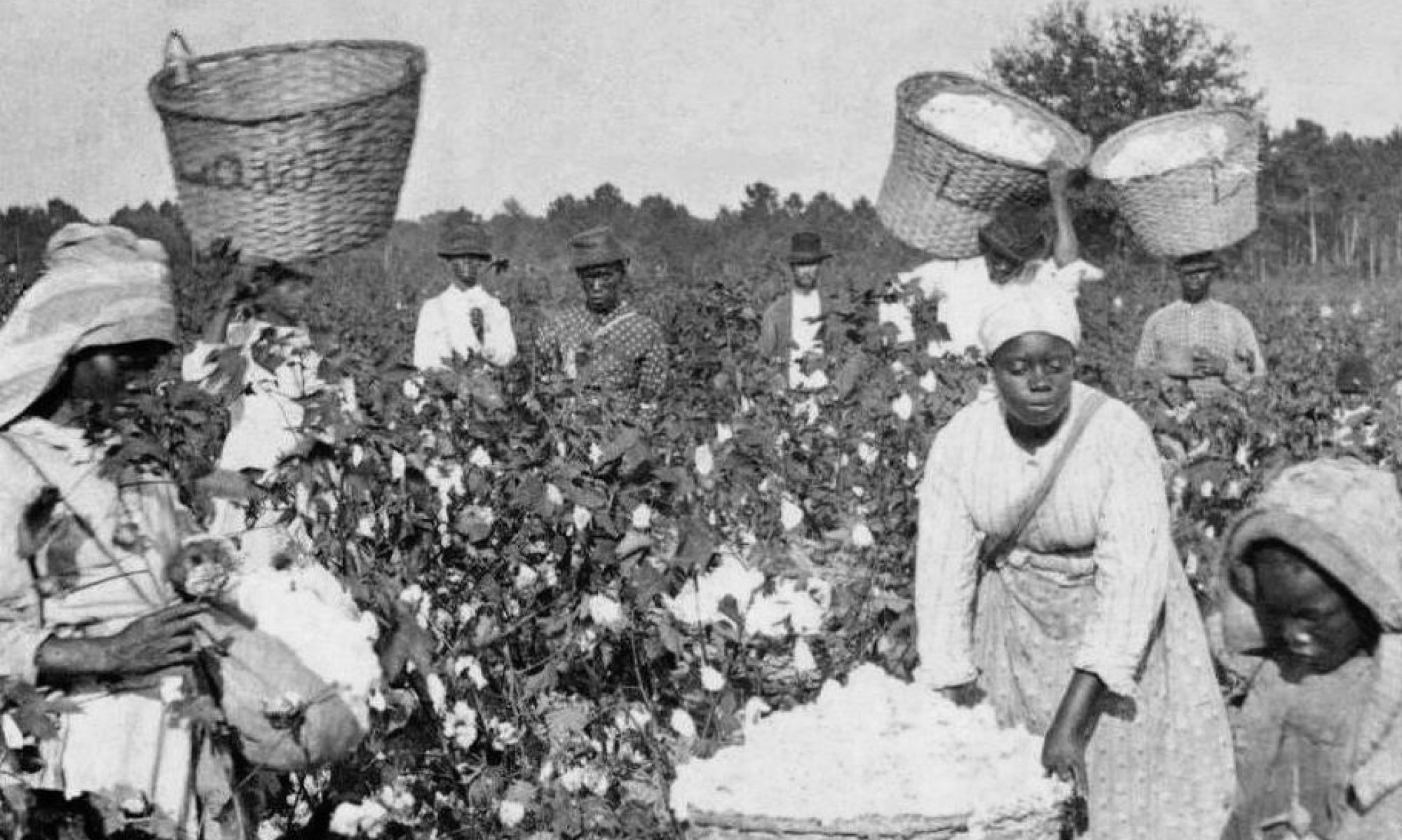
The Restitution Study Group represents descendants of Africans globally who were sold by the Benin Kingdom for over 3 centuries for manillas — the brass currency that was melted and molded into the metal Benin bronzes. Those bronzes are laundered slave trade profits. They were literally born out of the Maangamizi — the transatlantic slave-trade and ethnocide. So this isn’t just about Nigeria’s royal heritage — it’s about our heritage too. The bronzes carry the stories of both sides of that history — the beauty of Benin craftsmanship, the stories of our past, and the suffering of those whose lives were exchanged for the metal. We lay claim because we are still here, still connected, and still paying the price for what happened.
Q2. Are we holding the Benin Kingdom to the same moral standard as Europeans?
Absolutely. But this isn’t about comparing guilt — it’s about facing the truth. Europe must answer for colonizing Africa and its role in transatlantic enslavement and ethnocide of my people. But the Benin Kingdom must also face the reality that those bronzes were made possible through their sale of our ancestors.It’s not finger-pointing. It’s honesty. We can’t heal from what we hide. The whole story must be told — the art, the genius, and the human cost. Only then can we move toward reconciliation, respect and repair.
Q3. Should the bronzes be housed in Nigeria?
Not just in Nigeria. Let’s be real: Afrodescendants are still paying for those bronzes through poverty, racism, and loss of our Edo and other regional ethnic identities and homelands. We can’t afford to fly halfway across the world to see the bronzes. Some of our people in Mississippi or the Favelas of Brazil don’t even have plumbing in their homes, and yet we’re told to travel like tourists to look at our own history. And Nigeria has erased the slave trade side of this story. So has every museum in the United Kingdom and most other Western museums. The Oba, Nigeria, and Western museums are all trustees holding the bronzes for All of Us. That means some should stay where they are because we are in Western countries due to slavery. Some should travel — to Benin City — but also to Harlem, New York, Jamaica, Brazil — places where Afrodescendants live and are still fighting the vestiges of slavery and ethnocide. That’s how you honor everyone in this story and repair our lost cultural identities.
Q4. What is the Restitution Study Group’s view on the dispute between the Oba of Benin and the new Museum of West African Art (MOWAA)?
We are not taking a position on internal political disputes in Benin City. That is for the Oba, Nigeria, and their institutions to resolve. But what we can say — from the perspective of Afrodescendants whose ancestors were sold for the manillas that became the Benin Bronzes — is that these relics must remain accessible to the public, wherever they are housed. At the root of the current disagreement is the future of the Benin Bronzes and the question of where they should be presented. The museum was originally proposed as the Benin Royal Museum, and later renamed the Museum of West African Art (MOWAA), with global partners supporting its development. Today, the Oba and his supporters wish for the institution to be renamed and for the bronzes to be under exclusive royal custodianship. This has led to permits being rescinded and tensions rising. From our perspective, the simplest truth is this:
the Oba needs a museum for the bronzes he holds, and the Museum of West African Art needs bronzes to fulfill its educational mission. Bronzes have been repatriated so these artworks can be studied, viewed, and appreciated. That purpose is defeated if they remain locked away or if political disputes prevent their display. We are hopeful that a resolution can be reached that allows for: Public access to the bronzes in Nigeria, Educational programming and scholarship, Transparency about their slave-trade origins, Collaboration rather than conflict, Replicas or digital models where needed to expand global access — this includes to our Benin Kingdom Museum under development in Harlem New York. Whether it is one museum or two, or collaborative stewardship between them, the priority must be: making these relics available to the world — including Afrodescendants whose ancestors paid the ultimate price.
Q5. Should the descendants of the Oba express regret for their role in the slave trade?
What matters most is acknowledging the slave-trade origin of the bronzes — the Afrodescendant contribution is that our ancestors paid with their lives and we still do today. Everyone touched by the slave trade — European or African — should have the courage to face this truth. Apologies are not enough; truth, ownership rights, and a seat at the joint stewardship table is what we want. This is a matter of self-determination. No way should the heirs of royal African slave traders be given exclusive control over their ancestors’ slave-trade profits. When truth is spoken, healing can start. The bronzes can become a bridge — connecting descendants of the enslaved and the descendants of those who ruled and enslaved us — European and African. That’s how we repair the human story behind the art.
Closing
The Restitution Study Group remains committed to ensuring that Afrodescendants — whose ancestors’ lives were exchanged for the very metal that forms the Benin Bronzes — have a rightful voice in the conversation about their stewardship, narrative, and global future.
 Restitution Study Group
Nice one Dreadria! The ancient Benin empire expanded to Lagos, Badagry, Dahomey and Gold Coast now Ghana. The capital was Oredo a.k.a Benin City. There really was no slave trade in the entire capital because the people focused and traded more in palm oil, palm kernel, even timber including some other items which were in great demand. The Oba of Benins did not engage in slave trade at all in history. The known vassal places/ states like Lagos, Badagry and Dahomey were slave deport.
On the issue of MOWAA, I think that the birth of this museum is the issuance of the federal government’s gazette by the government of Late President Muhammadu Buhari which hurriedly seeded the ownership of the artefacts to the Oba of Benins instead of the collective one supposed, by my opinion, which reduced the interest in building the Benin Royal Museum from others-who were originally ready to support. From the action, it can be seen that the ownership is not public,though the gazette expressed that the government can collaborate with the Oba of Benin to determine where they will be housed but common sense knows the ownership comes first. How will public funds be used to build something for a private individual. Moreover, the Oba does not have the scientific readiness or machinery to further preserve these artefacts. The Oba does not even have the architectural model of the Royal museum to show.
Now, MOWAA is not allowed to open because of the Oba’s interest. The Oba and the Governor of Edo State, Nigeria are virtaually the blocks on the way. You all know that personal interest can randomly or unfairly be changed. With this teething problem, the remaining artefacts can remain where they are.
LikeLike
Thank you for your feedback, Prince Ovonramwen. We recently learned that some repatriated bronzes are on exhibit at the Old Benin City Museum and others in Lagos.
The Benin Kingdom’s participation in the slave trade—and, more importantly, the slave-trade origin of the bronzes—is verified by the Traditional Council in their 2018 book approved by the Oba, The Benin Monarchy.
LikeLike