
RSG Acquires Rare 17th-Century Benin Bronze Cockerel: Seeks Support for Comprehensive Provenance Study and More
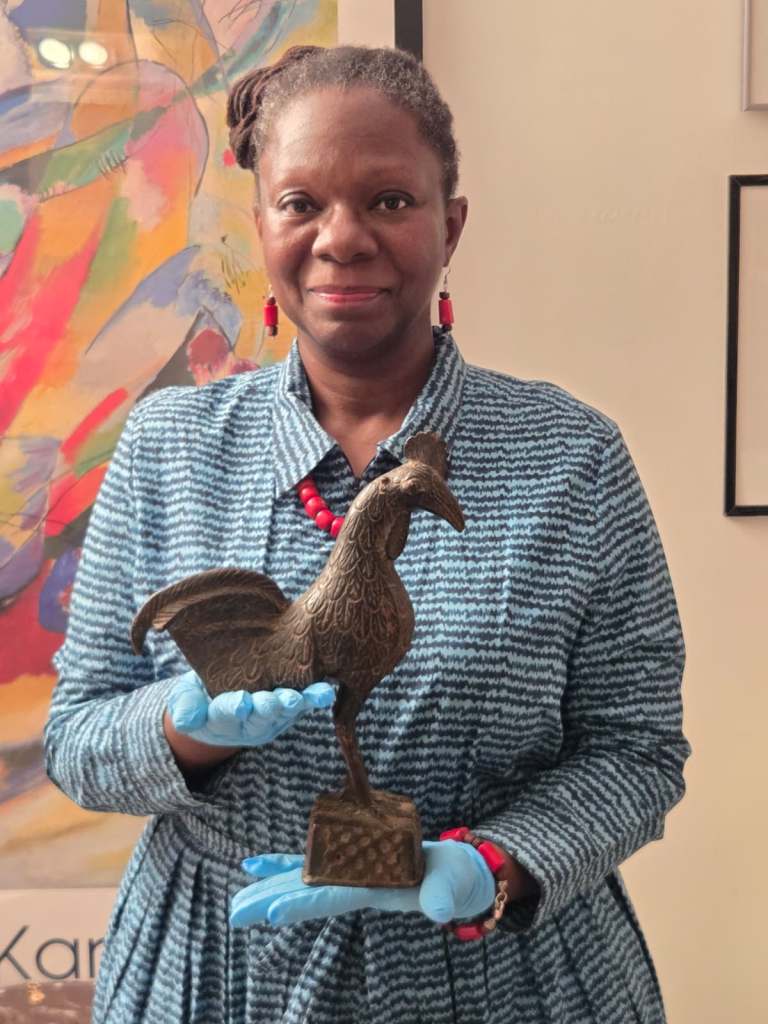
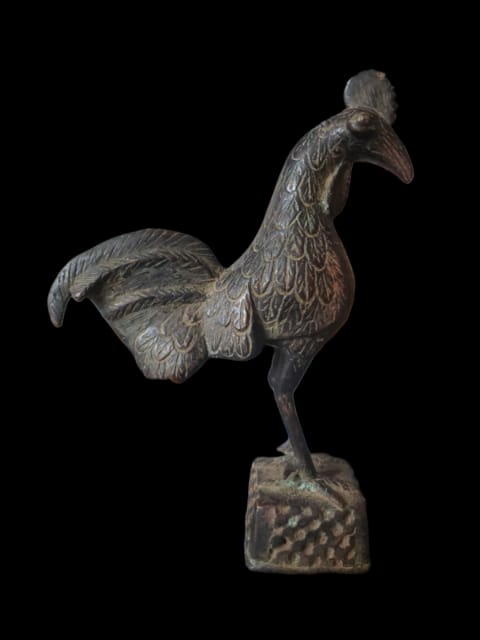
New York, NY — December 2, 2025 — The Restitution Study Group (RSG) announces the acquisition of an authentic early 17th-century Benin Bronze cockerel and the launch of a comprehensive scientific investigation into its origins and historical significance.
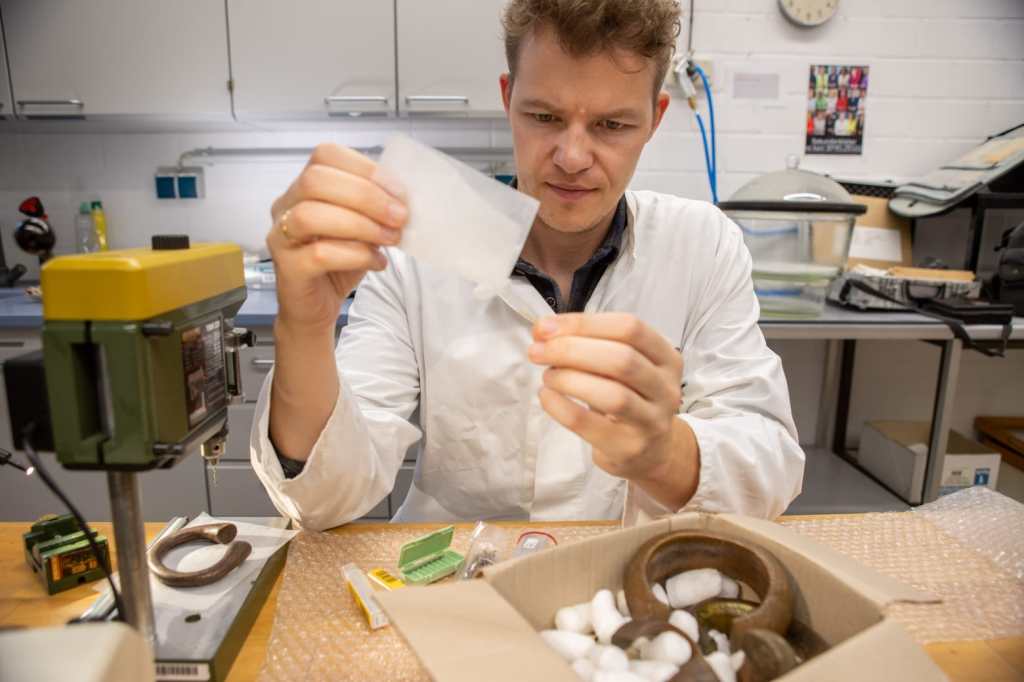
The bronze was purchased from a Manhattan antique shop and gifted to RSG Executive Director Deadria Farmer-Paellmann. Preliminary analysis by Dr. Tobias Skowronek, a leading authority on Benin metalwork, confirms the piece as genuine, with alloy composition and casting techniques consistent with early 1600s Benin court traditions.
Understanding the Historical Context
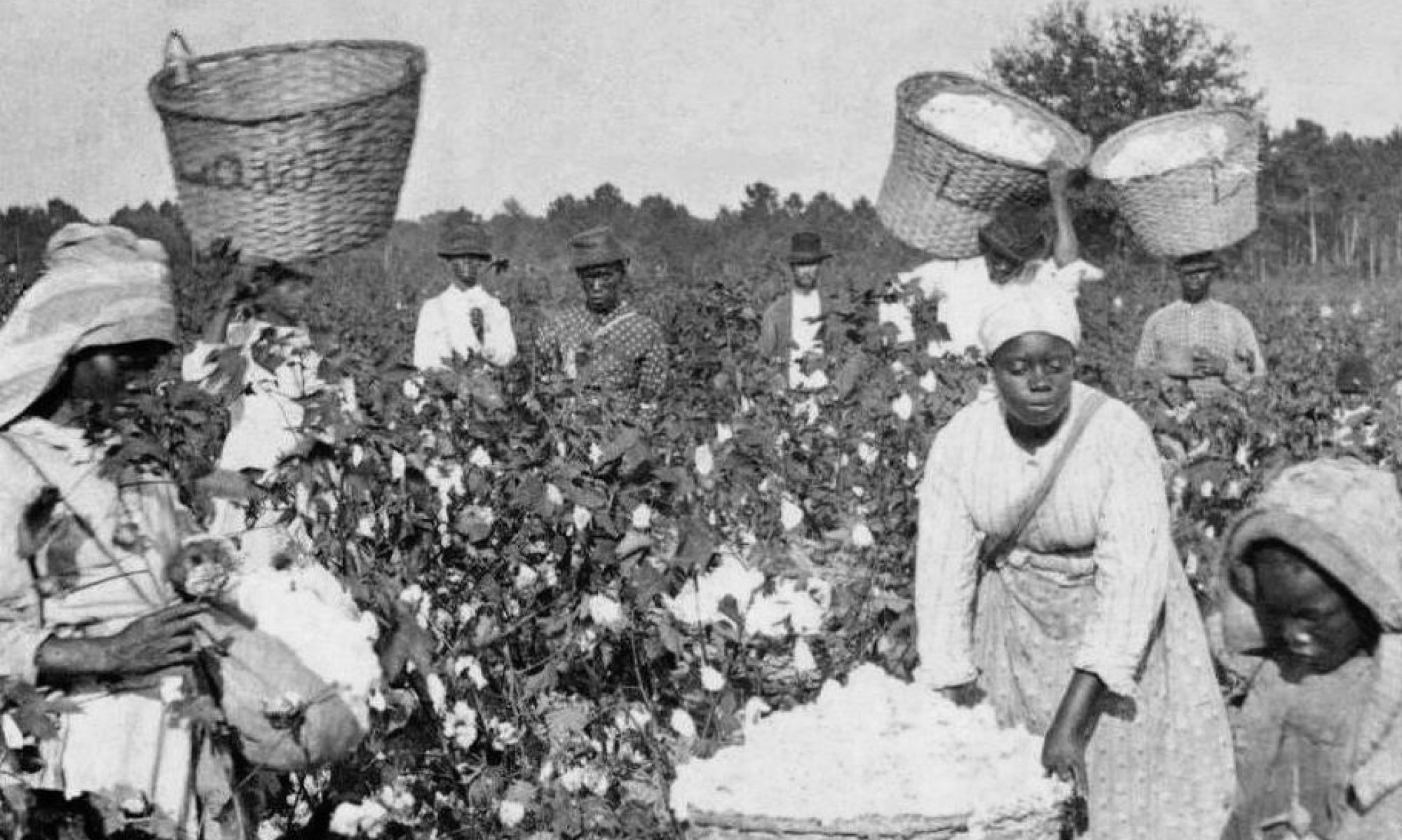
The Benin Bronzes were created during a period when the Benin Kingdom (Nigeria) participated in transatlantic trade networks. European merchants supplied bronze manillas—a form of currency—in exchange for human captives and goods. Historical records indicate exchange rates of approximately 50 manillas for a woman and 57 for a man.
Royal guild artists melted these manillas and recast them into the ceremonial artworks now known as Benin Bronzes, many of which currently reside in museums worldwide.
“The history embedded in this bronze demands honest examination,” said Farmer-Paellmann. “Understanding how these masterpieces were financed is essential to understanding their full significance.”
Cultural Significance of the Cockerel
In Benin tradition, the bronze cockerel symbolizes vigilance, leadership, and warning. Associated with the Iyoba (Queen Mother), these pieces were placed near royal altars to represent protection and heightened awareness.
Comprehensive Scientific Investigation Needed
RSG aims to consult with Dr. Tobias Skowronek for a multi-phase scientific study that will include:
- Surface coating and potential DNA analysis
- Wax and soil residue identification
- Alloy source mapping
- Comparative analysis with bronzes from the 1897 British Punitive Expedition
“The elemental composition and trace-element profile align closely with authentic Benin Bronzes,” said Dr. Tobias Skowronek, who conducted the initial pXRF analysis. “The zinc content is consistent with early Benin casting practices and shows no indication of later recycling, strongly supporting the object’s historic origin.”
RSG has notified the Nigerian National Commission for Museums and Monuments (NCMM) and is exploring frameworks for collaborative stewardship.
Future Exhibition and Stewardship
The cockerel will be featured in the Benin Kingdom Museum, opening late 2026 in Harlem, New York. The museum will present:
- Transparent historical narratives about the bronzes’ origins
- Works by RSG’s Bronze-Making Fellows
- Educational programming on African cultural heritage
- Collaborative stewardship models
- DNA Testing for Afrodescendants
“This bronze belongs within the cultural narrative of Afrodescendants whose African identities were destroyed by the trade that created it,” said Farmer-Paellmann. “We’re committed to stewarding its history with integrity.”
Supporting the Research
As a grassroots organization without institutional funding, RSG welcomes community support for this comprehensive scientific analysis. Those interested in supporting the provenance research and more can join their funding circle by contributing here.
About the Restitution Study Group
Founded 25 years ago, RSG advances reparatory justice, cultural heritage preservation, and advocacy for Afrodescendant communities with historical connections to the Benin Kingdom’s trade networks.
Contact:
Deadria Farmer-Paellmann, J.D., M.A.
Executive Director
Restitution Study Group
email: deadriafp@gmail.com
www.rsgincorp.org
###
 Restitution Study Group