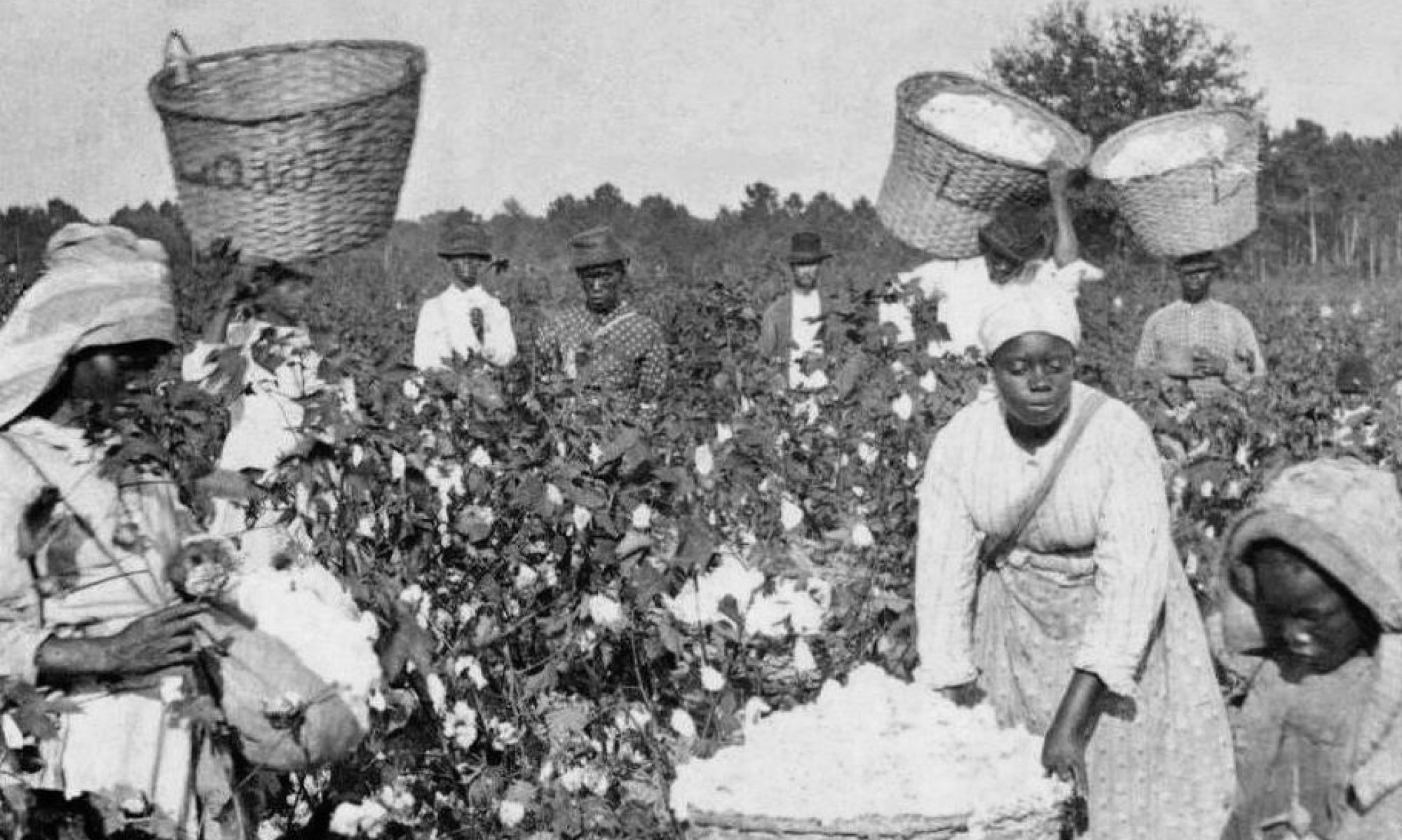

Restitution Study Group Responds to Museum Rietberg Transfer of Benin Bronzes
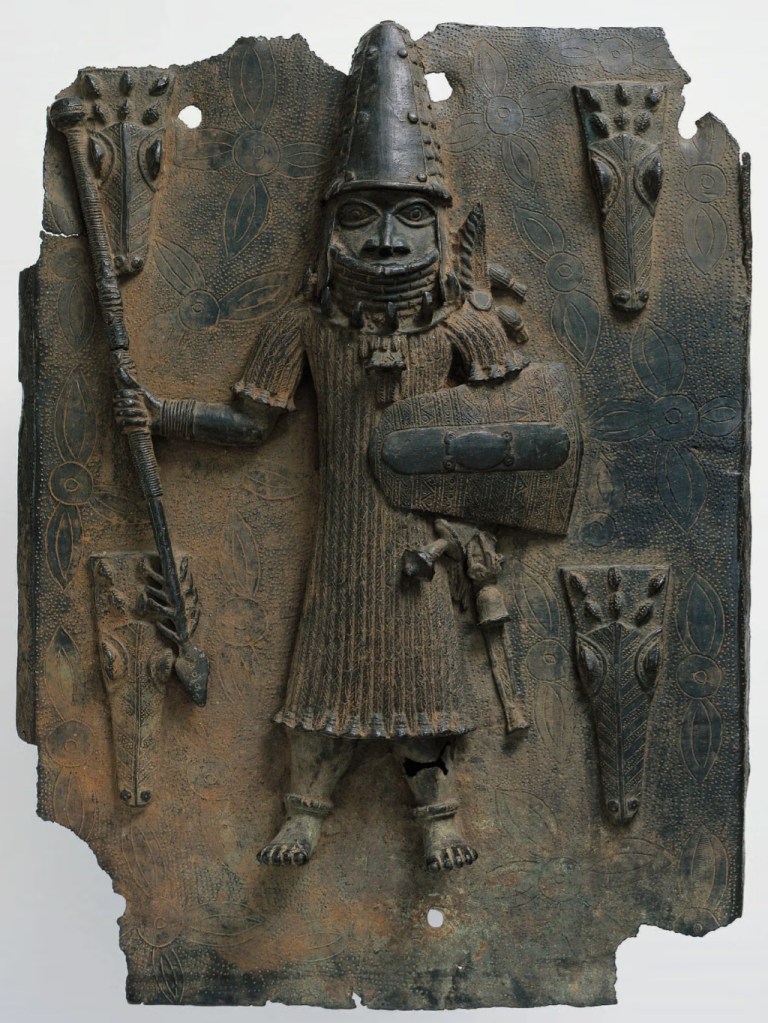
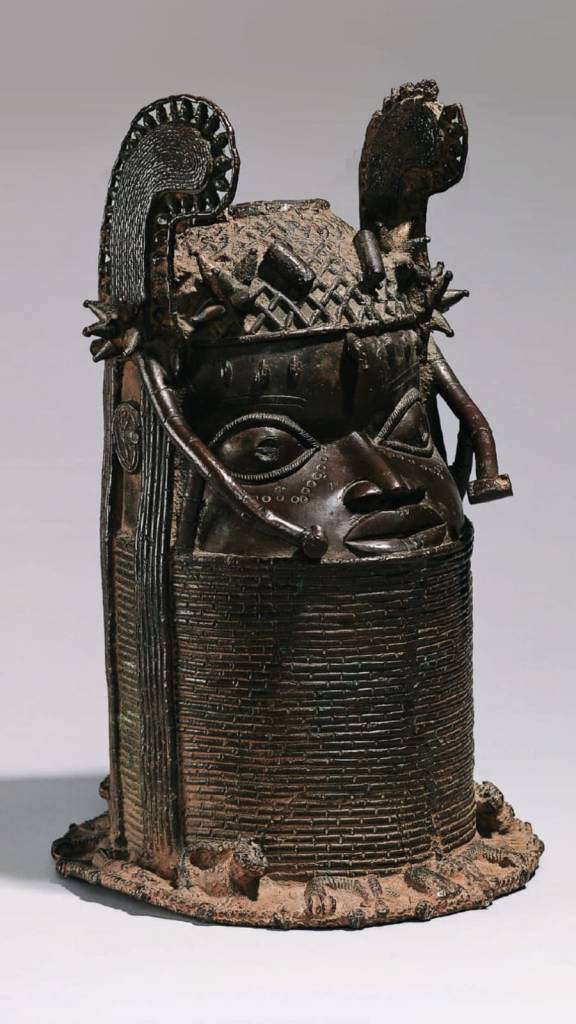
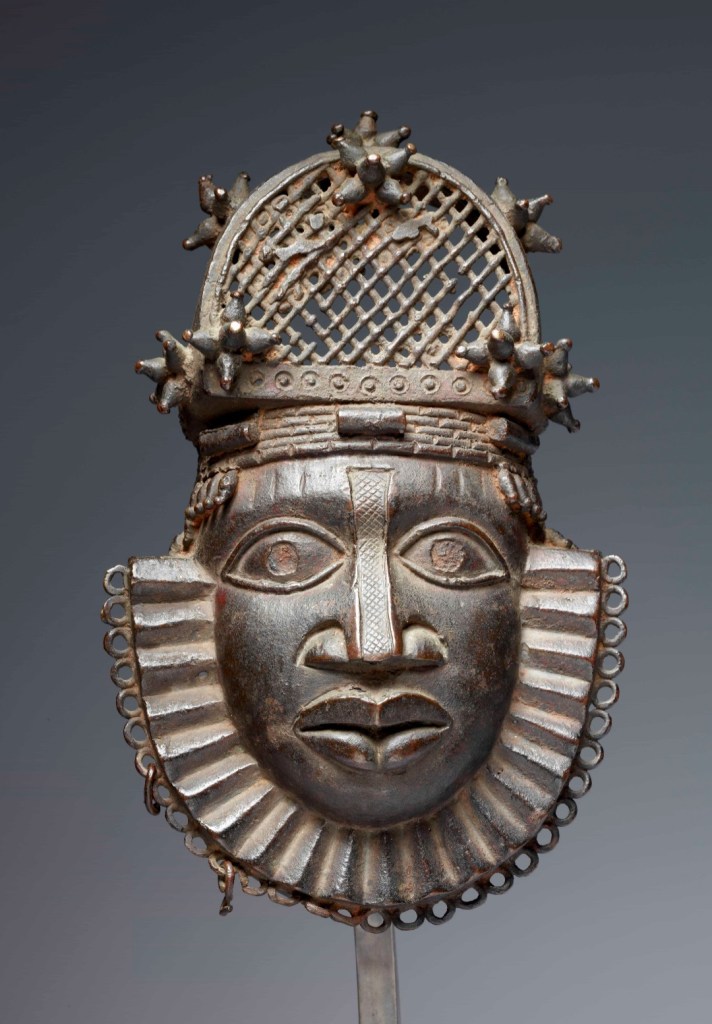
New York, NY — March 20, 2026 — The Restitution Study Group expressed deep disappointment over the decision to transfer Benin bronzes from Museum Rietberg, describing the move as a painful continuation of a long historical injustice rooted in the Maangamizi — transatlantic human trafficking and ethnocide.
“These bronzes are not merely artworks,” said Deadria Farmer-Paellmann, Executive Director of the Restitution Study Group. “They are the material residue of human trafficking, made from manillas that served as exchange for human beings sold into enslavement and ethnocide. To transfer such profits to the heirs of those who acquired wealth through that system is not a step forward in justice, but a step back.”
The Restitution Study Group noted that this transfer is being made as a state-backed decision, not one shaped by meaningful Afrodescendant consent. While the group respects that institutions and governments will make their own decisions, it emphasized that such decisions do not erase the unresolved moral and historical issues surrounding the bronzes’ origin. The group called for provenance research and public interpretation to reach back beyond the colonial-era punitive expedition to the deeper human trafficking origins of the metal used to make many of the works.
“At a minimum, the full truth must now be told wherever these bronzes are exhibited,” said Esther Xosei, RSG UK/Caribbean Mobilizer. “Their provenance does not begin with the punitive expedition. It reaches back to the start of their trafficking humans in exchange for Maangamizi manillas. Afrodescendants must be recognized as rightful stakeholders in how these works are interpreted, accessed, and stewarded.”
At the same time, the Restitution Study Group acknowledged Museum Rietberg’s important efforts to engage in a more inclusive process than most institutions have undertaken. Through an iterative process with the Restitution Study Group and the global constituents it represents, the museum made high-quality 3D scans publicly accessible, permitted credited replication, and incorporated into its exhibit narrative the Maangamizi origin of the metal used to make many of these works, including the reality that they were cast from blood metal. The group said these measures should serve as a minimum standard for institutions worldwide, especially where transfers proceed despite Afrodescendant objections.
The organization stressed that future display of the bronzes, whether in Switzerland, Nigeria, or elsewhere, must include truthful interpretation of their origin as objects tied to the trafficking of African people into enslavement and ethnocide. It also called for Afrodescendants to be recognized as rightful joint stewards in decisions concerning access, interpretation, and future exhibition.
The Restitution Study Group further emphasized that the ability to create high-quality replicas for cultural and educational purposes must remain protected. Through the Benin Kingdom Museum initiative, whose first location is planned for Harlem, the group will use such replicas in healing-centered cultural education to help Afrodescendants learn the true story of the bronzes and reconnect with the ancestors embodied in them. As part of that broader healing effort, the Benin Kingdom Museum will also support DNA-based reconnection work to help Afrodescendants reconnect with relatives and ancestral communities in Nigeria from whom they were separated by the human trafficking and its continuing Maangamizi impact.
“We remain hopeful that the bronzes remaining at Museum Rietberg on loan can become the basis for a deeper steward relationship that includes Afrodescendant voices in future exhibitions and interpretation,” said Sheila Camaroti Silva, RSG Germany/Brazil Mobilizer. “We are ready to continue engaging Museum Rietberg in a constructive way and to contribute the perspective, educational work, and creative output of our fellows to future presentations of these works.”
“The best that can be done, when such unfortunate decisions are made, is to tell the truth, preserve meaningful access, and ensure that Afrodescendants have the tools to engage these relics as part of a living healing process,” Farmer-Paellmann added. “That is the work we will continue.”
###
Media Contact
Deadria Farmer-Paellmann
Executive Director, Restitution Study Group
deadriafp@gmail.com
917-365-3007
For reference: City of Zurich public announcement regarding the transfer of Benin works:
https://www.stadt-zuerich.ch/de/aktuell/medienmitteilungen/2026/03/stadt-zuerich-uebertraegt-eigentumsrechte-von-benin-werken.html
 Restitution Study Group