
Measure Advances Afrodescendant Inclusion and Cultural Stewardship
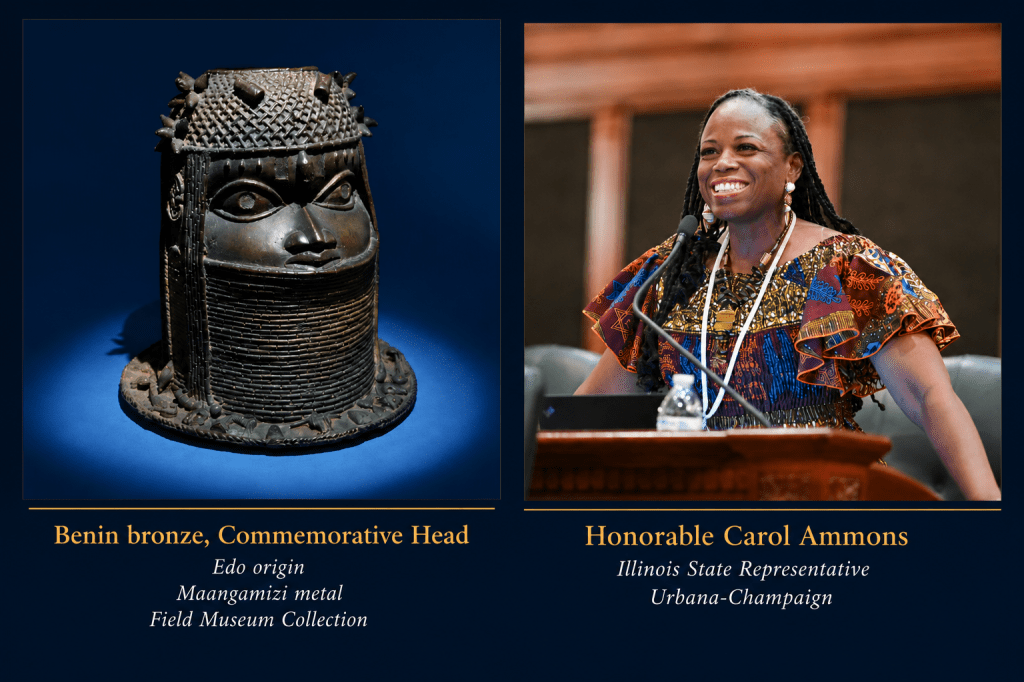
Chicago, Illinois / New York, New York — The Restitution Study Group (RSG) congratulates Representative Carol Ammons on the May 25, 2026 passage of Illinois House Resolution 211 (HR211), a significant measure recognizing the historical significance of the Benin Bronzes and establishing a framework for dialogue, stewardship, preservation, and descendant engagement.
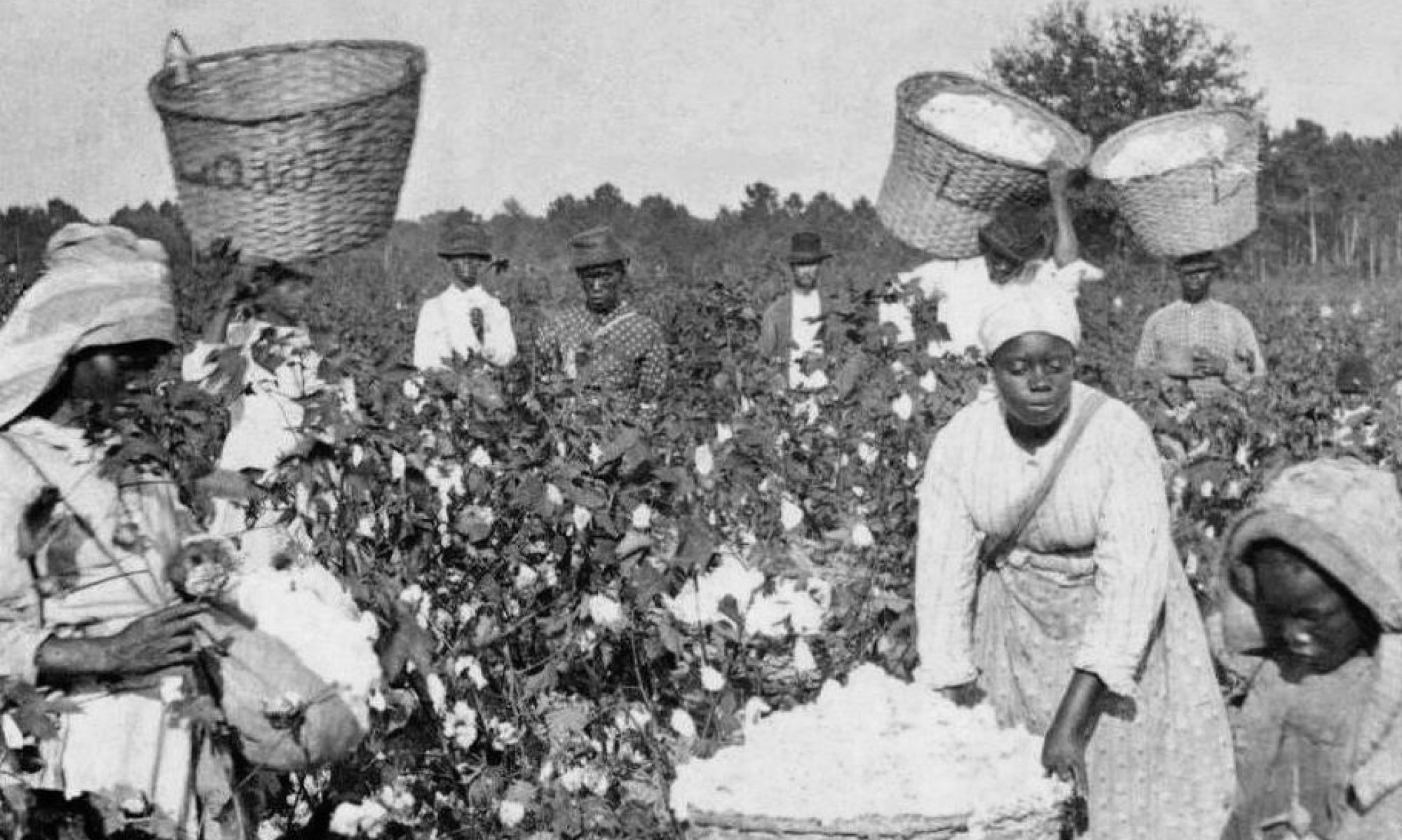
The Benin Bronzes are thousands of plaques, sculptures, heads, jewelry, and other works that once adorned the royal palace of the Oba of the Benin Kingdom and were created by Edo artists over several centuries. The resolution acknowledges the historical connection between many brass Benin Bronzes created from melted metal manilla currency exchanged for human captives trafficked into transatlantic chattel enslavement from the 16th to 19th centuries.
The resolution further recognizes that the United States holds approximately one-quarter of the world’s Benin Bronze collections [approximately 1,300–1,500 objects] and that Chicago’s Field Museum maintains the largest collection in the United States [393 objects].
Key provisions of HR211 include:
• Creation of a Repatriation Committee to facilitate equitable sharing, stewardship, and related discussions.
• Development of narratives inclusive of transatlantic enslavement origin, educational initiatives, exhibitions, and cultural programming.
• Consideration of future resale royalty mechanisms and trust structures intended to benefit descendant communities.
• Support for preservation, conservation, healing, and economic development initiatives.
As a legislative resolution rather than binding law, HR211 establishes an official governmental record and framework for future dialogue and policy development.
The Restitution Study Group contributed historical research and descendant-community perspectives during development of the resolution, drawing upon more than two decades of work concerning reparatory justice and Benin Bronze history.
“We congratulate Representative Ammons for her leadership in advancing this important dialogue. For many displaced Afrodescendants (descendants of enslaved Africans), the Benin Bronzes can serve as bridges reconnecting us to our African ancestors, cultures, and living relatives. The resolution helps the public better understand the human cost of their creation,” said Deadria Farmer-Paellmann, Executive Director of the Restitution Study Group and Founder of the Benin Kingdom Museum in New York.
“When I was an art student in Chicago, I had no idea what the Benin Bronzes were, or that I lived near the largest collection in the United States. Engagement with the bronzes has influenced my own artistic evolution, and it is important for Afrodescendants to understand our connection to these works for inspiration and healing,” said Jirah Joshua, Benin Kingdom Museum Bronze-Making Fellow who submitted testimony in support of the resolution.
Link to resolution text:


Sister Deadria,
You DID it!! 🎉 Huge congratulations!
This is the absolute best news of the day. You are leaving a powerful legacy, and you’ve opened my eyes to something so beautifully spectacular.
Sending blessings to you and the ancestors, who are being honored in ways they could only dream of.
Best,
Sheila
LikeLike